
Whiplash Treatment in Dripping Springs, TX: Recover With Confidence

Whiplash can affect far more than your neck. After a motor vehicle collision, symptoms may include headaches, shoulder pain, upper back tension, dizziness, difficulty sleeping, arm symptoms, and a frustrating loss of confidence in everyday movement. Some people feel pain immediately, while others walk away from a collision feeling relatively normal only to wake up significantly worse the next morning. Mayo Clinic notes that whiplash symptoms commonly begin within days of the injury and can include neck stiffness, reduced range of motion, headaches, arm symptoms, fatigue, and dizziness.
If you are searching for whiplash treatment in Dripping Springs, TX, the goal should be more than temporarily making your neck hurt less. At Evolve Chiropractic, we evaluate the full effect of the collision, identify injuries that may require imaging or medical referral, reduce pain and inflammation, restore normal movement, and progressively rebuild strength. Our goal is to help patients from Dripping Springs, Belterra, Driftwood, Wimberley, Bee Cave, Oak Hill, and the surrounding Hill Country return to work, driving, exercise, family life, and the activities they enjoyed before the collision.
What Is Whiplash?
Whiplash occurs when rapid acceleration and deceleration forces move the head and neck forcefully relative to the torso. It is frequently associated with rear-end motor vehicle collisions, although it can also occur during other impacts, falls, or sports injuries.
The term describes a mechanism of injury rather than one single damaged structure.
Depending on the collision, whiplash can affect:
Cervical muscles
Ligaments
Facet joints
Spinal discs
Nerve roots
Upper back musculature
Shoulder girdle
Jaw and surrounding musculature
Balance and sensorimotor systems
This is one reason two people involved in seemingly similar collisions can experience completely different symptoms.
One person may primarily develop neck stiffness and headaches. Another may experience arm tingling, shoulder pain, dizziness, or substantial difficulty turning the head.
The correct treatment plan depends on what the examination actually reveals.
Whiplash Associated Disorders
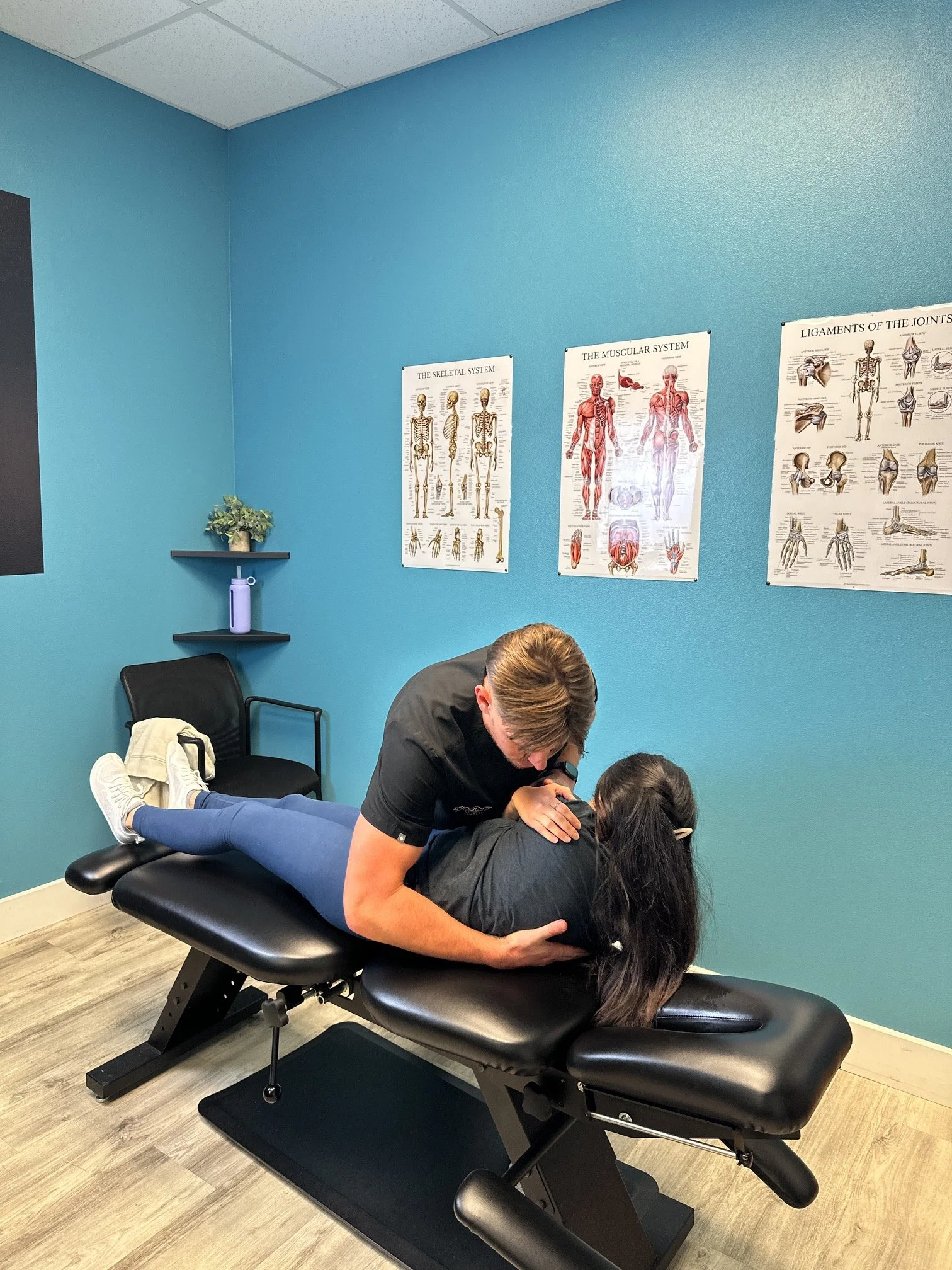
Healthcare professionals often use the term Whiplash Associated Disorder, or WAD, to describe the collection of symptoms and clinical findings that can follow whiplash.
The Quebec Task Force classification is commonly used to describe increasing levels of severity:
Grade 0
No neck complaints and no physical signs.
Grade I
Neck pain, stiffness, or tenderness without significant physical examination findings.
Grade II
Neck complaints accompanied by musculoskeletal findings such as reduced range of motion or point tenderness.
Grade III
Neck complaints accompanied by neurological findings such as weakness, sensory changes, or abnormal reflexes.
Grade IV
Neck complaints associated with fracture or dislocation.
The classification helps providers communicate the severity of the presentation and recognize cases that require additional medical management. Increasing WAD grade has also been associated with a greater likelihood of persistent symptoms.
A classification system does not replace individualized examination. It simply helps organize the clinical picture.
Common Symptoms After a Whiplash Injury
Whiplash often creates a broader symptom pattern than patients expect.
Neck Pain and Stiffness
The most obvious symptom is often pain with turning, bending, or extending the neck. Muscles may tighten protectively following the collision.
Headaches
Whiplash headaches frequently begin near the base of the skull and can radiate toward the forehead or behind the eyes. Neck dysfunction may be one contributor.
Shoulder and Upper Back Pain
The muscles surrounding the neck and shoulder blades frequently become tight following a collision.
Reduced Range of Motion
Patients may notice difficulty checking blind spots, looking over the shoulder, or comfortably moving the neck through normal ranges.
Arm Pain, Numbness, or Tingling
Neurological symptoms may indicate irritation involving a cervical nerve root or another structure and warrant careful evaluation.
Dizziness or Balance Changes
Whiplash Associated Disorders can include sensorimotor and balance symptoms. Mayo Clinic also recommends considering concussion when cognitive, dizziness, or related symptoms occur after the collision.
Sleep Disturbance
Finding a comfortable sleeping position can become difficult, and pain itself may repeatedly interrupt sleep.
Difficulty Concentrating
Patients sometimes notice fatigue, memory problems, irritability, or trouble concentrating following a collision. These symptoms require appropriate screening because whiplash and concussion symptoms can overlap.
Why Whiplash Symptoms Can Be Delayed
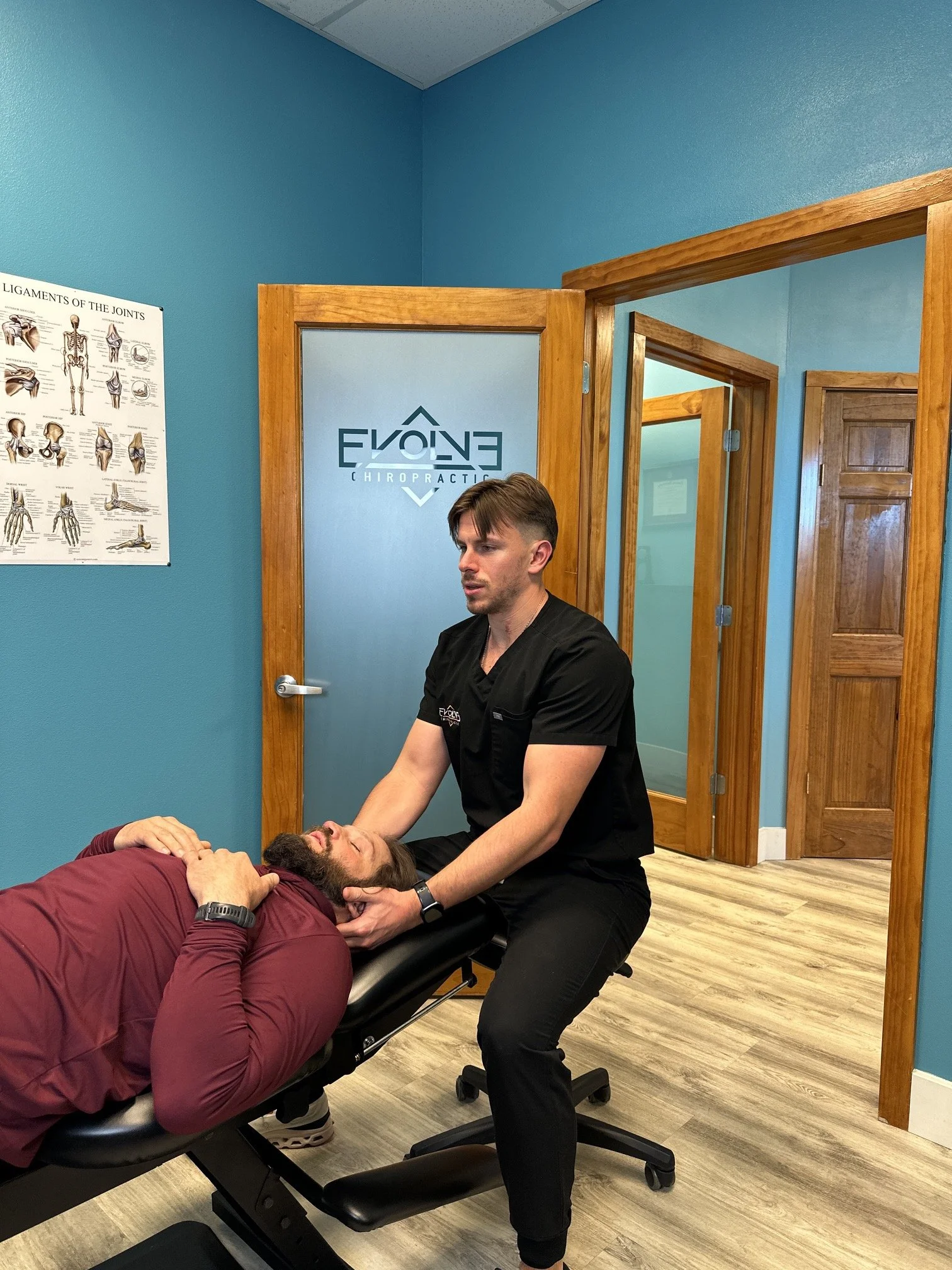
One of the most confusing parts of a motor vehicle collision is that symptoms do not always appear immediately.
A person may exchange information at the scene, drive home, and initially believe they avoided injury. Hours later, stiffness begins. By the following morning, turning the head may be painful.
Several factors can contribute to delayed symptoms:
Inflammation developing after the initial tissue stress
Protective muscle guarding increasing over time
Initial stress affecting pain awareness
Swelling around injured tissues
Returning to normal activities and exposing movement limitations
Prolonged sitting or sleeping after the collision
Mayo Clinic notes that whiplash symptoms commonly develop within days following the injury.
Delayed pain does not automatically indicate a severe injury, but new symptoms after a collision deserve appropriate evaluation.
When Whiplash Symptoms Need Immediate Medical Attention
Whiplash treatment must begin with safety.
Seek urgent or emergency medical evaluation following a collision when symptoms include:
Loss of consciousness
Severe or rapidly worsening headache
Repeated vomiting
Increasing confusion
Slurred speech
Seizure
Significant weakness
Progressive numbness
Severe balance problems
Difficulty staying awake
Severe chest or abdominal pain
Loss of bowel or bladder control
Suspected fracture
Possible concussion symptoms should also be evaluated appropriately.
A chiropractor should recognize when conservative musculoskeletal care is appropriate and when another level of medical evaluation is required.
How Whiplash Is Evaluated at Evolve Chiropractic
A proper whiplash evaluation involves considerably more than asking, “Where does it hurt?”
At Evolve Chiropractic, a personal injury evaluation may include:
Detailed history of the collision
Direction of impact
Position of the patient inside the vehicle
Seatbelt and airbag information
Immediate versus delayed symptoms
Previous injuries
Review of emergency room or medical records
Cervical range of motion
Neurological screening
Strength testing
Orthopedic testing
Palpation
Shoulder and upper extremity evaluation
Posture and movement assessment
Functional limitations
Concussion screening when indicated
Mayo Clinic similarly describes evaluation of range of motion, pain-provoking movements, tenderness, reflexes, strength, and sensation as part of the whiplash examination.
The objective is to determine not only what hurts but also what has changed about the way the patient moves and functions.
X-Rays Are Required for Personal Injury Patients at Evolve
At Evolve Chiropractic, X-rays are required for personal injury patients before active spinal treatment begins as part of our clinic's personal injury safety and documentation protocol.
This is an Evolve Chiropractic policy and should not be interpreted as a statement that every whiplash patient everywhere automatically requires an X-ray.
When suitable and sufficiently recent diagnostic studies have already been completed, those images may be reviewed rather than duplicated unnecessarily.
X-rays may help evaluate:
Fracture
Abnormal alignment
Bony injury
Degenerative changes
Previous injury
Structural findings that could alter treatment
Whiplash itself does not necessarily appear on an X-ray. Imaging can instead help identify or exclude other conditions that may influence treatment. Mayo Clinic similarly notes that imaging does not directly demonstrate whiplash itself, but X-rays can identify fractures and other bony findings.
Why MRI Is Common After a Motor Vehicle Collision
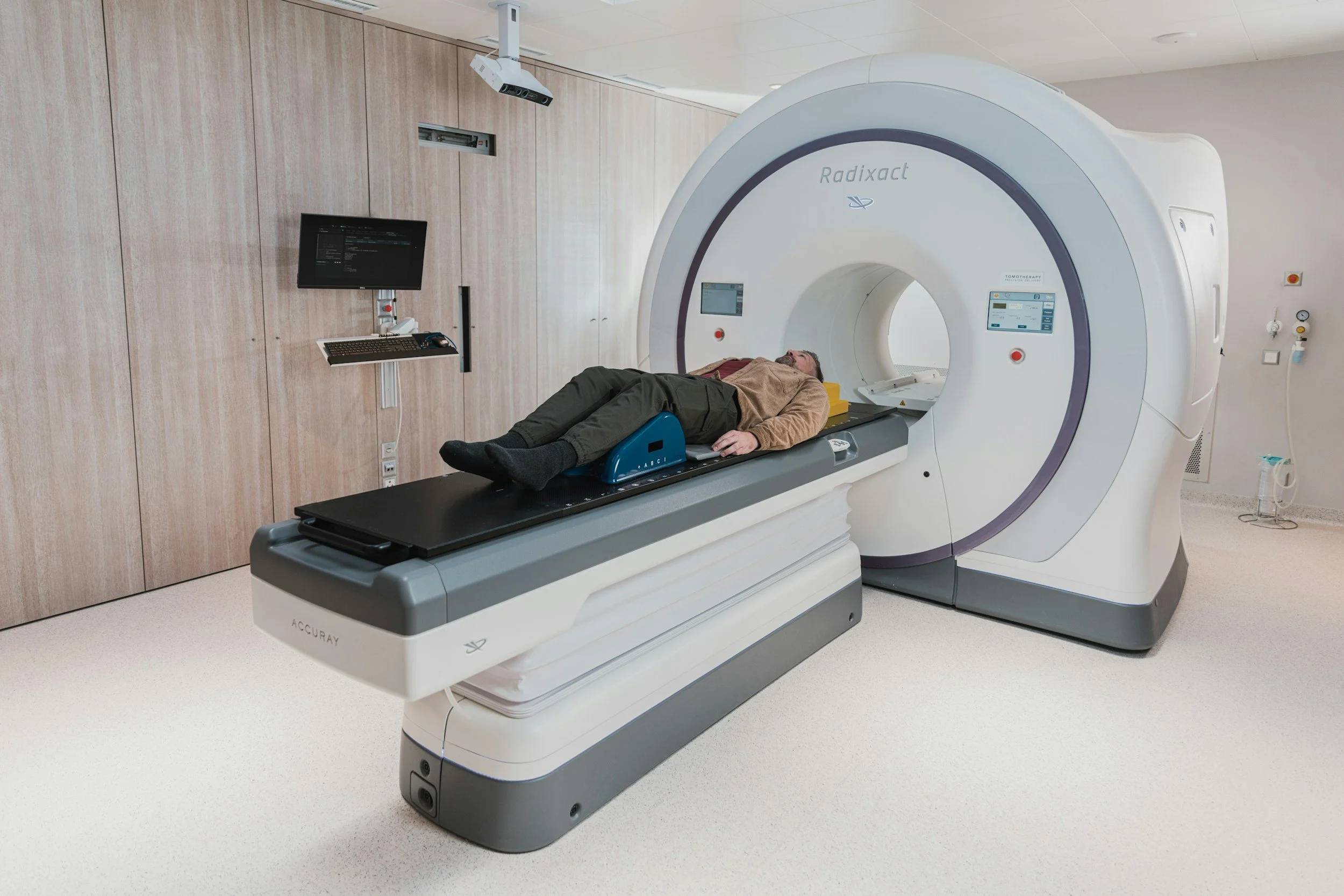
MRI is also frequently utilized in our personal injury population when clinically appropriate.
Unlike an X-ray, MRI provides detailed visualization of many soft tissue structures, including
Spinal discs
Spinal cord
Nerve structures
Ligaments
Other soft tissues
Mayo Clinic notes that MRI can identify certain soft tissue injuries involving structures such as discs, ligaments, and the spinal cord.
An MRI may be particularly important when a patient develops:
Radiating arm pain
Persistent numbness or tingling
Muscle weakness
Significant neurological findings
Suspected disc bulge or herniation
Persistent symptoms that do not progress as expected
Findings suggesting a more complex injury
Imaging should always be interpreted together with the patient's history and examination rather than viewed as the diagnosis by itself.
How Whiplash Treatment Has Changed
Older approaches to whiplash frequently emphasized immobilization and extended rest.
Modern evidence generally favors a more active recovery strategy for appropriately screened patients.
Current guidance supports remaining active within tolerable limits, gradually returning to normal activities, and using targeted exercise rather than prolonged immobilization. The SIRA whiplash guidelines specifically encourage patients to remain active and focus on improving function.
More recent clinical guidance also emphasizes that active therapy is preferable to prolonged immobilization for many acute whiplash presentations.
This does not mean ignoring pain or forcing the neck through aggressive exercise. It means finding the appropriate level of movement and gradually progressing as the injured tissues recover.
Chiropractic Care for Whiplash
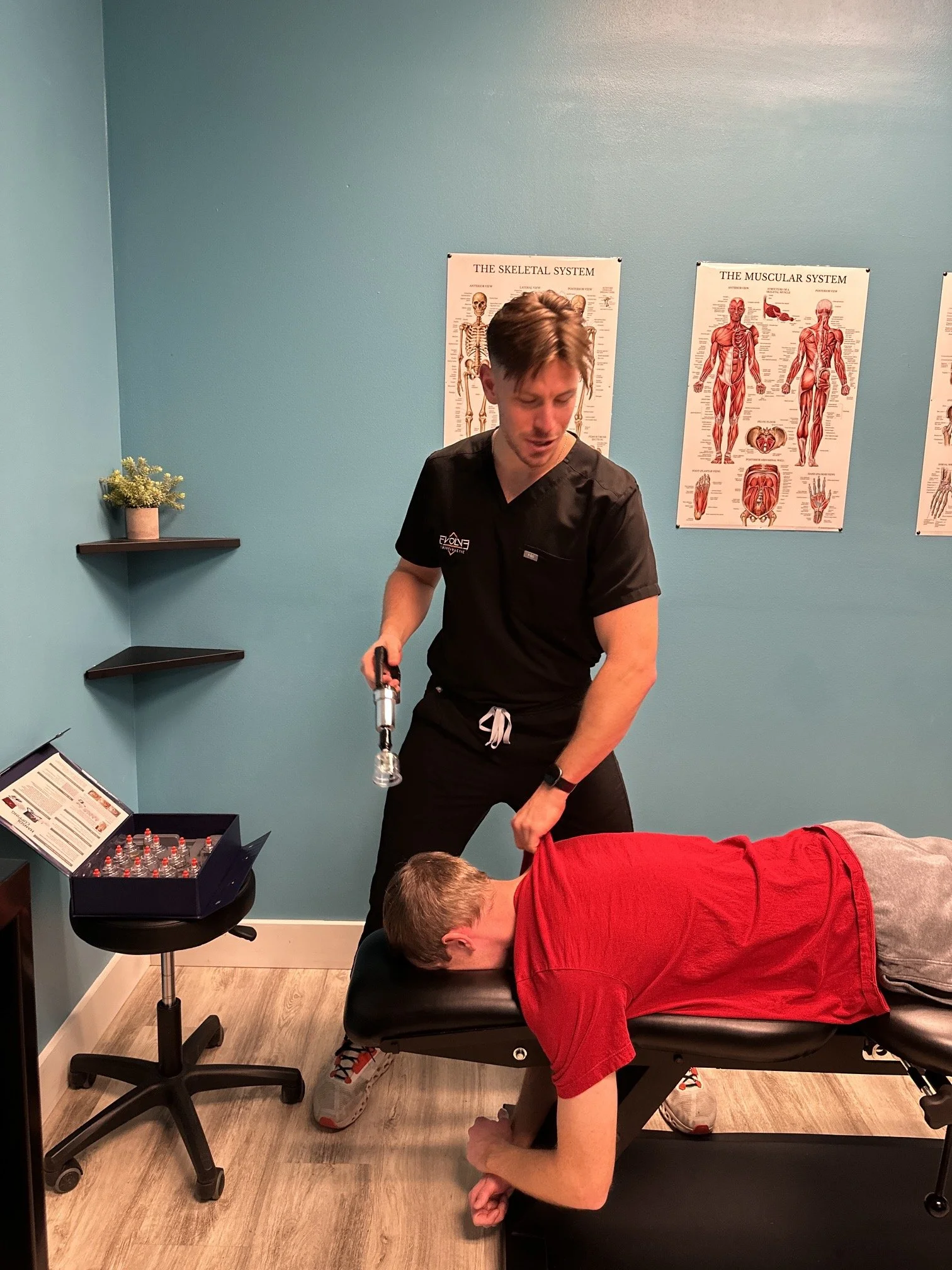
Chiropractic treatment may be one component of a broader whiplash recovery plan.
For appropriately screened patients, treatment may focus on:
Improving restricted joint movement
Reducing muscle guarding
Restoring comfortable neck motion
Addressing upper back and shoulder dysfunction
Improving posture
Gradually restoring activity tolerance
Rebuilding cervical stability
Returning safely to work and exercise
Evidence-based guidelines for neck pain and Whiplash Associated Disorders support multimodal approaches that may include manual therapy, mobilization or manipulation when appropriate, soft tissue care, education, range of motion exercises, and progressive strengthening.
Mayo Clinic also notes that chiropractic care may help some patients when paired with exercise or rehabilitation.
At Evolve Chiropractic, an adjustment is therefore not the entire treatment plan.
It is one potential tool within a larger recovery process.
Evolve Chiropractic's Three-Phase Whiplash Recovery System
Our goal is to guide patients from acute injury toward restored confidence and function.
Relief Phase: Decreasing Pain and Inflammation

Immediately following a collision, patients may experience substantial inflammation, stiffness, and protective muscle guarding.
The first objective is to decrease irritation and restore comfortable movement.
Treatments in the Relief Phase may include:
Heat and electrical stimulation
Intersegmental traction when appropriate
Percussion therapy
CBD soft tissue therapy
Chiropractic adjustments selected according to the patient's condition
Care is adapted to the individual. A highly sensitive acute whiplash patient is not treated the same way as an athlete presenting with uncomplicated mechanical stiffness.
Initial goals may include:
Reducing pain
Decreasing inflammation
Improving sleep
Restoring gentle neck motion
Making driving more comfortable
Improving tolerance for work
Reducing protective muscle guarding
Pain relief is important, but it represents only the beginning of recovery.
Recovery Phase: Improving Muscle Tonicity and Restoring Function
Once acute irritation decreases, treatment begins addressing persistent muscular dysfunction and compensation patterns.
Treatments in the Recovery Phase may include:
Compression therapy
Muscle scraping and Graston-style therapy
Dry needling when appropriate
Following a collision, certain muscles may remain chronically guarded while others lose normal coordination and strength.
The Recovery Phase is designed to:
Improve muscle tonicity
Restore mobility
Reduce persistent trigger points
Improve tissue movement
Reduce compensations
Prepare the patient for progressive strengthening
This is the bridge between feeling better and actually functioning better.
Rehabilitation Phase: Strengthening and Stabilizing to Prevent Reinjury

The Rehabilitation Phase is where we rebuild capacity.
Condition-specific rehabilitation may include:
Deep neck flexor strengthening
Cervical endurance exercises
Shoulder blade stability
Upper back strengthening
Core stabilization
Postural retraining
Balance and proprioception
Progressive lifting
Work-specific movements
Sport-specific rehabilitation
The goal is not simply returning the patient's pain score to zero.
We want patients to regain the ability to confidently:
Check their blind spot
Sit through a workday
Sleep comfortably
Lift their children
Exercise
Travel
Return to sports
Perform demanding work
Stop thinking about their neck every time they move
This is what complete rehabilitation should look like.
Why Rehabilitation Matters Even After the Pain Improves
Whiplash symptoms can improve before the underlying physical capacity has fully recovered.
A patient may report less pain while still having:
Reduced neck strength
Limited endurance
Poor shoulder stability
Restricted mobility
Fear of movement
Reduced tolerance for driving
Difficulty lifting
Decreased athletic capacity
Stopping care solely because pain has decreased may leave these deficits unresolved.
That is why our Rehabilitation Phase focuses on rebuilding the strength, stability, and confidence required for the patient's actual life.
Whiplash, Concussion, and Headaches

Headaches after a collision should not automatically be assumed to come only from the neck.
A collision capable of producing whiplash may also produce concussion symptoms. Mayo Clinic notes an overlap between cognitive symptoms associated with Whiplash Associated Disorders and concussion and recommends that providers assess patients accordingly.
Symptoms that may warrant further concussion evaluation include:
Persistent headache
Dizziness
Balance difficulty
Light sensitivity
Noise sensitivity
Memory problems
Trouble concentrating
Unusual fatigue
Sleep disturbances
Feeling mentally slowed down
Patients with these findings may require collaboration with additional healthcare professionals.
Evolve Chiropractic incorporates concussion screening when clinically appropriate and refers patients when their presentation requires care outside the chiropractic scope.
Coordinated Whiplash and Personal Injury Care
Whiplash recovery may involve multiple professionals.
Depending on the patient's condition, our referral network may include:
Diagnostic Imaging
Longhorn Imaging is our preferred imaging partner for MRI and additional diagnostic imaging when clinically indicated.
Pain Management
For persistent or severe symptoms requiring interventional evaluation, our preferred pain-management partner is Greater Austin Pain Center.
Medical Consultation
When a patient requires medical evaluation, prescription management, or additional medical oversight, we frequently coordinate with Injury Medical Services.
Personal Injury Attorneys
When patients request legal assistance, we can provide information about personal injury attorneys within our professional referral network. Patients always retain the right to select their own legal counsel.
Impairment Evaluations
Patients who continue to demonstrate measurable limitations after an appropriate course of treatment may be referred to a qualified provider for an independent impairment evaluation when appropriate.
The purpose of this network is not to send every patient everywhere.
It is to make sure patients have access to the right level of care when their injuries require it.
Whiplash Treatment Under a Letter of Protection
Evolve Chiropractic accepts appropriate personal injury cases under a Letter of Protection, commonly called an LOP.
Our existing Personal Injury and LOP service provides collision-related chiropractic care while coordinating documentation and communication with the patient's attorney when authorized. Evolve currently treats conditions including whiplash, neck pain, headaches, back pain, sciatica, joint pain, muscle stiffness, and functional weakness following motor vehicle collisions.
An LOP does not change the clinical standard of care.
Treatment recommendations are based on the patient's injuries, examination findings, progress, and functional needs.
Our responsibility remains the same: provide appropriate healthcare and document the patient's recovery accurately.
Why Choose Evolve Chiropractic for Whiplash Treatment?
Whiplash patients need more than an assembly-line adjustment.
They need someone to understand what happened, determine what was injured, identify when imaging or referral is necessary, and create a progression toward meaningful recovery.
At Evolve Chiropractic, patients receive:
One-on-one care with Dr. Jackson Humphrey
Longer appointments
Detailed personal injury examinations
Required X-ray evaluation for PI patients
MRI referral when clinically appropriate
Chiropractic adjustments selected for the individual
Advanced soft tissue therapies
Condition-specific rehabilitation
Concussion screening when indicated
Detailed clinical documentation
Coordination with authorized attorneys and healthcare providers
Nearly a decade of experience treating musculoskeletal injuries
Evolve Chiropractic already provides dedicated Personal Injury and LOP care in Dripping Springs and serves patients throughout the surrounding Hill Country.
The goal is not to keep a patient dependent on treatment.
The goal is transformation.
A Whiplash Recovery Transformation
Consider a composite example based on the types of patients commonly seen after motor vehicle collisions.
A Dripping Springs professional is rear-ended while stopped in traffic.
At the scene, the patient feels shaken but assumes everything is fine. By that evening, the neck begins tightening. The next morning, there is substantial stiffness, a headache near the base of the skull, shoulder pain, and difficulty checking the blind spot while driving.
The patient begins avoiding workouts and sleeps poorly because turning the head is uncomfortable.
During the initial evaluation, we identify reduced cervical range of motion, muscle guarding, upper back restriction, and impaired shoulder stability. Required PI imaging is reviewed, and no finding preventing conservative care is identified.
During the Relief Phase, treatment focuses on decreasing pain and inflammation while gradually restoring comfortable movement.
The patient begins sleeping better and can drive more comfortably.
During the Recovery Phase, persistent muscular tension is addressed through dry needling, cupping, scraping, and targeted soft tissue techniques.
Headaches become infrequent. Neck rotation continues improving.
Then comes Rehabilitation.
Neck endurance, shoulder stability, core control, and functional movement are progressively rebuilt. The patient begins exercising again, tolerates full workdays, and eventually returns to normal training.
The transformation is not simply that the patient's neck hurts less.
The patient can drive without fear, exercise without hesitation, sleep normally, work comfortably, and stop organizing daily life around the injury.
That is the outcome we work toward.
Frequently Asked Questions About Whiplash
How long after a car accident can whiplash symptoms appear?
Whiplash symptoms may appear immediately, but they commonly develop over the hours or days following a collision. Neck stiffness, headaches, shoulder pain, and reduced motion that appear later should still be evaluated.
How long does whiplash take to heal?
Recovery varies substantially. Many people improve within several weeks, while others develop symptoms lasting months or longer. Higher initial pain, greater restriction in motion, neurological symptoms, previous neck problems, and other factors may be associated with slower recovery.
Should I see a chiropractor after a car accident if I have whiplash?
A chiropractor trained in personal injury care can evaluate musculoskeletal symptoms after a collision and determine whether conservative treatment is appropriate. Serious injury, concussion, fracture, or progressive neurological findings may require medical or specialist evaluation first.
Is it safe to get a chiropractic adjustment after whiplash?
It can be appropriate for properly screened patients, but not every patient should receive the same technique or intensity. The history, examination, imaging when indicated, tissue sensitivity, and neurological findings should guide treatment.
Do I need an X-ray for whiplash?
Imaging is not universally required for every person with whiplash. At Evolve Chiropractic, however, X-rays are required for personal injury patients as part of our clinic's PI safety and documentation protocol before active spinal treatment begins.
Will an MRI show whiplash?
Whiplash itself is not one single structure that appears on MRI. MRI may identify associated findings involving discs, ligaments, nerves, the spinal cord, or other soft tissues when clinically indicated.
Should I rest after whiplash?
A short period of modified activity may sometimes be appropriate, but prolonged inactivity is generally discouraged. Current whiplash guidance emphasizes staying active within tolerable limits and gradually returning to normal activities.
Should I wear a neck brace after a car accident?
Routine prolonged immobilization is generally not recommended for uncomplicated acute whiplash. A collar may occasionally be appropriate for a limited period in selected cases, but this decision should be made by a qualified healthcare professional.
Can whiplash cause headaches?
Yes. Headaches are common after whiplash and frequently begin near the base of the skull. However, headaches after a collision can have multiple causes, including concussion, so persistent or concerning symptoms should be properly evaluated.
Can whiplash cause numbness or tingling in my arms?
Yes. Some patients experience arm pain, numbness, or tingling following whiplash. These symptoms may indicate neurological involvement and warrant careful examination and potentially additional imaging or referral.
Conclusion and Call to Action

Whiplash is not simply a sore neck after a car crash.
It can affect movement, sleep, work, driving, exercise, concentration, and confidence. The right treatment plan begins with a thorough evaluation, appropriate imaging and referrals when necessary, and a progressive strategy for restoring function.
At Evolve Chiropractic, our process moves through three purposeful stages.
Relief decreases pain and inflammation.
Recovery restores muscle function and mobility.
Rehabilitation strengthens and stabilizes the body so you can return to the life you were living before the collision and, when possible, become stronger and more capable than you were before.
If you are experiencing neck pain, headaches, stiffness, shoulder pain, or reduced movement following a motor vehicle collision, schedule a personal injury evaluation at Evolve Chiropractic in Dripping Springs, TX.
Written by Dr. Jackson Humphrey, DC, CCSP
Evolve Chiropractic, Dripping Springs, TX