
After the Impact: Car Accident Care in Dripping Springs

A motor vehicle collision can change how your body feels in seconds. Neck stiffness, headaches, back pain, dizziness, and muscle soreness may begin immediately, but some symptoms do not become obvious until later that day or over the following several days. Searching for a car accident chiropractor in Dripping Springs, TX is often the first step people take when pain begins interfering with work, driving, sleep, exercise, or family life. At Evolve Chiropractic, we provide detailed personal injury evaluations and individualized care for patients recovering from motor vehicle collisions. Our goal is not simply to reduce pain temporarily. We help patients restore movement, rebuild strength, document their clinical progress, and confidently return to the lives they were living before the collision.
What Happens to the Body During a Motor Vehicle Collision?
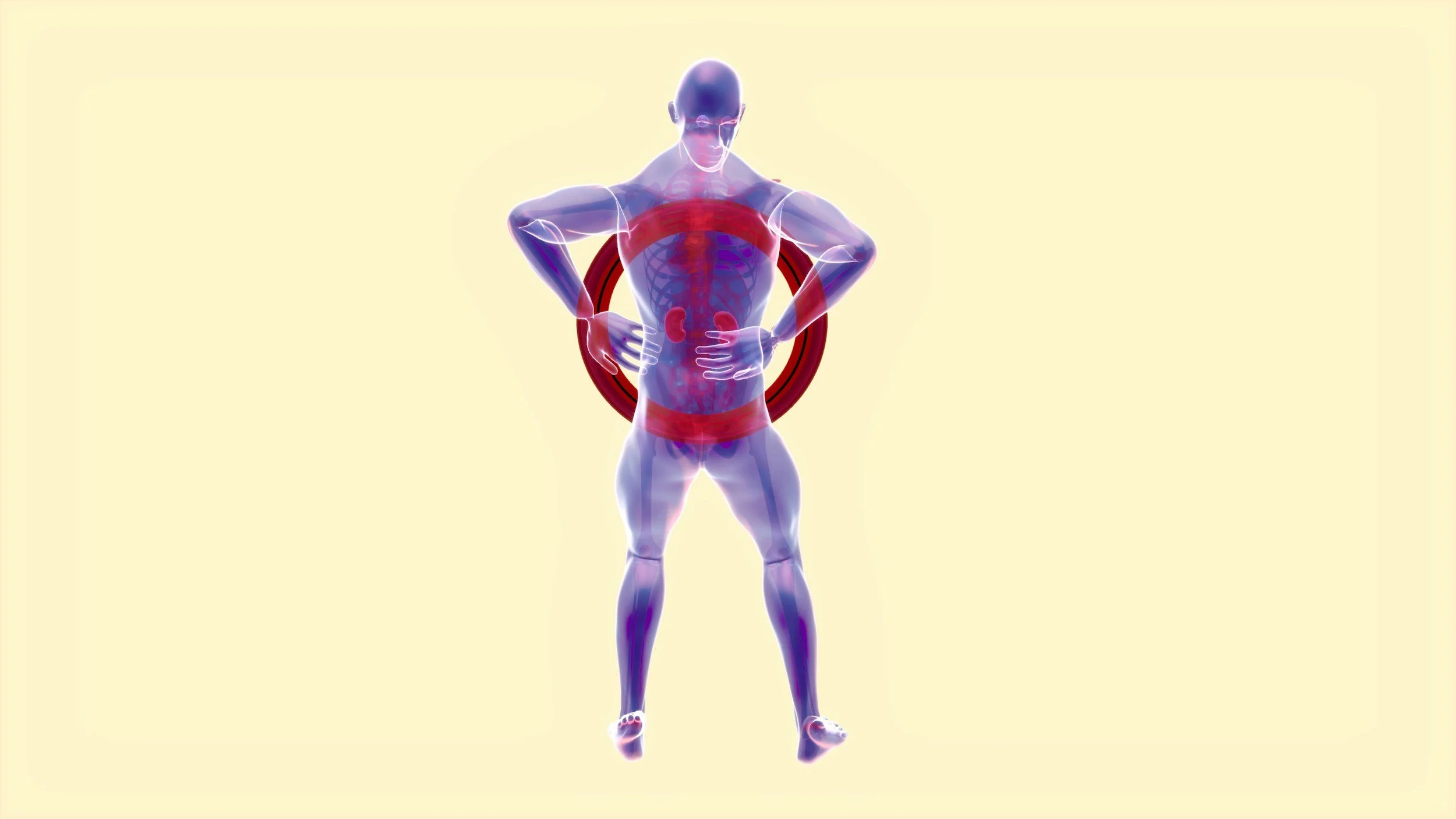
During a collision, the body may be exposed to rapid acceleration, deceleration, rotation, compression, and impact forces. These forces can affect muscles, ligaments, joints, spinal discs, nerves, and other tissues.
Whiplash is commonly described as a neck sprain or strain caused by sudden, forceful movement of the head and neck. Although rear-end collisions are a frequent cause, similar injuries can occur during side impacts, front impacts, sports injuries, and falls.
The physical effects of a collision may include:
Stretching or irritation of muscles and ligaments
Restricted spinal or joint movement
Protective muscle spasms
Inflammation around injured tissues
Irritation of spinal discs or nerve roots
Altered posture and movement patterns
Reduced balance, coordination, or confidence
Headache or concussion-related symptoms
The amount of visible vehicle damage does not always reveal exactly how an occupant’s body was affected. Position in the vehicle, seatbelt use, head position, direction of impact, previous injuries, and individual health factors can all influence the injury pattern.
Common Symptoms After a Car Crash
Personal injury symptoms vary widely. One patient may primarily experience neck stiffness, while another may have pain throughout the back, shoulders, hips, or extremities.
Common complaints include:
Headaches beginning near the base of the skull
Upper back and shoulder pain
Hip or pelvic discomfort
Chest or rib soreness
Muscle spasms
Reduced range of motion
Pain traveling into an arm or leg
Jaw tension
Difficulty sleeping
Fatigue
Dizziness
Trouble concentrating
Whiplash-associated symptoms can extend beyond neck pain. Headaches, shoulder or arm discomfort, tingling, sleep disruption, concentration problems, and dizziness may also occur.
Some symptoms may be related to a concussion or other medical condition rather than a musculoskeletal injury. This is why appropriate screening and referral are essential before beginning treatment.
Why Pain Can Be Delayed After a Collision
People are sometimes surprised when they feel relatively normal at the scene but develop significant pain the following morning.
Several factors may contribute:
Stress hormones can temporarily alter pain awareness.
Inflammation may build gradually after tissue irritation.
Muscles may tighten over time to protect injured areas.
Normal daily activity may expose movement restrictions that were not immediately noticeable.
Headache, dizziness, or concentration problems may become more apparent after returning to work or screen use.
Delayed symptoms do not automatically mean a serious injury is present, but they should not be ignored. Early evaluation can help identify movement limitations, neurological findings, and symptoms that require medical referral.
When to Seek Emergency Medical Care
Chiropractic care is not a substitute for emergency evaluation. Serious injuries must be identified or ruled out before conservative treatment begins.
Seek emergency medical attention after a collision if you experience:
Loss of consciousness
A worsening or severe headache
Repeated vomiting
Increasing confusion or unusual behavior
Slurred speech
Seizure activity
Significant weakness or numbness
Loss of balance or coordination
Severe chest or abdominal pain
Shortness of breath
Suspected fracture
Loss of bowel or bladder control
Increasing difficulty staying awake
The CDC advises that anyone with a possible traumatic brain injury should be evaluated by a healthcare provider. Most mild concussions improve, but symptoms require appropriate assessment and follow-up.
When your history or examination suggests that imaging, emergency care, neurological evaluation, or another specialist is needed, Evolve Chiropractic will make the appropriate referral.
What a Personal Injury Chiropractic Evaluation Includes
A collision evaluation should involve more than asking where it hurts and performing an adjustment.
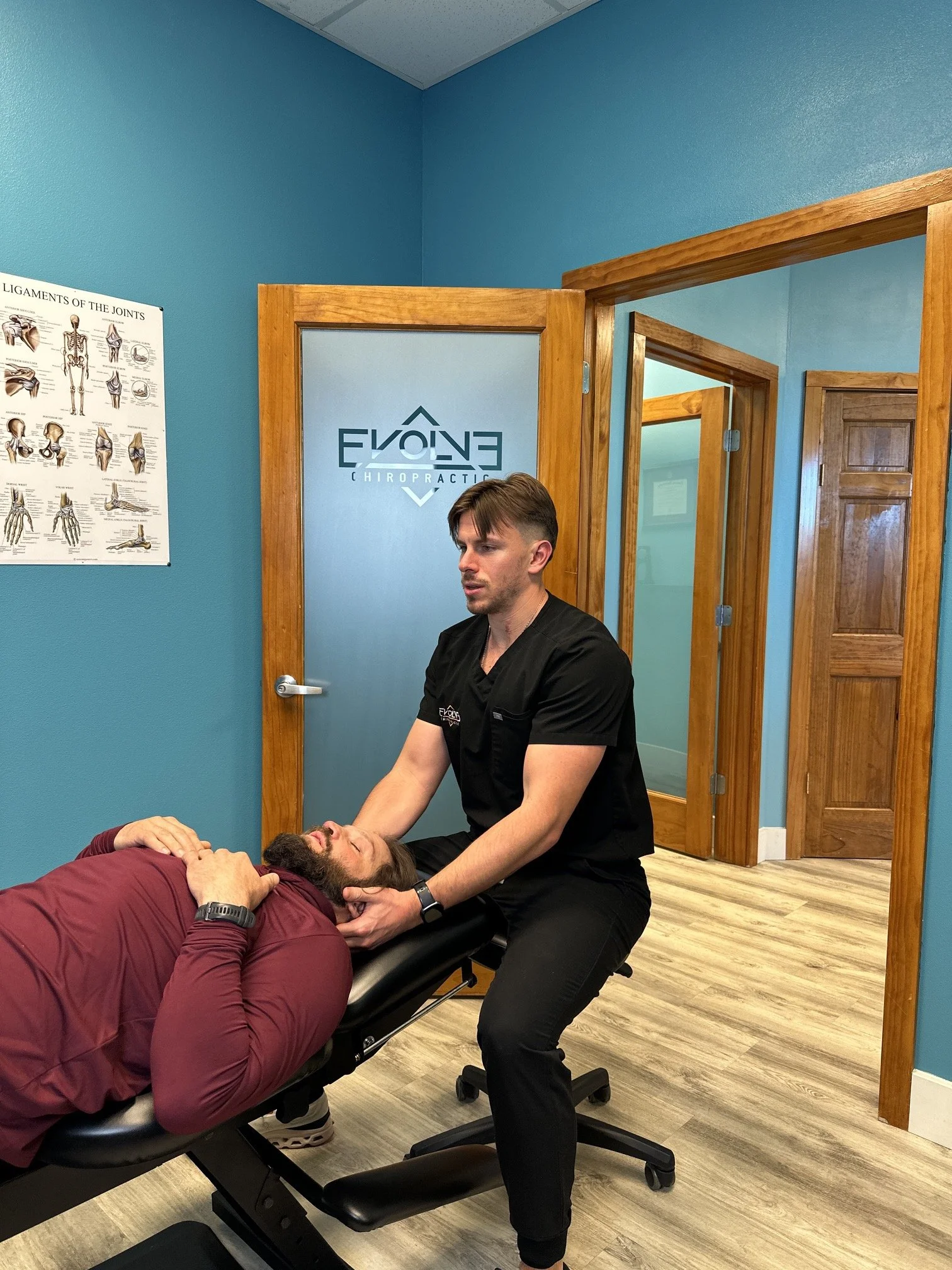
At Evolve Chiropractic, the initial assessment may include:
A detailed history of the collision
Immediate and delayed symptoms
Review of emergency or medical care already received
Previous injuries and health history
Neurological screening
Spinal and extremity range-of-motion testing
Orthopedic testing
Palpation of muscles and joints
Strength and stability testing
Posture and movement assessment
Referral for imaging or additional evaluation when clinically appropriate
The purpose is to identify which tissues and functions may have been affected while screening for findings that fall outside the scope of chiropractic treatment.
How Chiropractic Care May Help After a Collision
Chiropractic care after a motor vehicle collision focuses on restoring comfortable movement, reducing musculoskeletal irritation, and progressively rebuilding function.
Depending on the patient’s condition, care may help address:
Restricted neck or back movement
Muscle tension and protective guarding
Joint stiffness
Postural changes
Headaches related to neck dysfunction
Low back or sciatic symptoms
Shoulder, hip, or extremity discomfort
Reduced strength and stability
Fear or hesitation with movement
Clinical guidelines for neck pain and whiplash-associated disorders support a multimodal approach that may include manual treatment, patient education, range-of-motion work, soft tissue care, and progressive exercise.
Chiropractic adjustments are not automatically appropriate for every patient or every stage of recovery. Techniques should be selected according to the examination findings, tissue sensitivity, medical history, and patient comfort.
A Coordinated Referral Network for Personal Injury Patients
Recovering from a motor vehicle collision may require more than chiropractic treatment alone. Some patients need diagnostic imaging, prescription medication, interventional pain management, medical consultation, legal guidance, or an evaluation of lasting impairment.
Evolve Chiropractic maintains a trusted personal injury referral network so patients are not left trying to coordinate every part of their care by themselves. When a referral is clinically appropriate, we help connect the patient with qualified professionals, communicate relevant findings, and incorporate outside recommendations into the overall treatment plan.
The purpose of this network is not to send every patient to every provider. Each referral is based on the patient’s symptoms, examination findings, progress, functional limitations, and individual needs.
Our referral network may include:
Personal injury attorneys
Diagnostic imaging centers
Medical doctors
Interventional pain management specialists
Impairment-rating providers
Other specialists when clinically appropriate
This coordinated approach allows the patient’s healthcare providers and authorized representatives to work from a clearer understanding of the injuries, treatment, progress, and remaining limitations.
Personal Injury Attorneys
A motor vehicle collision can create medical, financial, insurance, and legal questions at the same time. Evolve Chiropractic does not provide legal advice, determine fault, negotiate settlements, or estimate the value of a personal injury claim.
When a patient requests legal assistance and does not already have representation, we can help connect that patient with personal injury attorneys who are familiar with motor vehicle collision cases and the medical documentation involved in them.
An attorney may help the patient understand issues such as:
Insurance communications
Available coverage
Property damage questions
Medical bills
Letters of Protection
Lost wages
Deadlines and documentation
Potential legal rights and responsibilities
Patients always retain the right to select their own attorney. A referral from Evolve Chiropractic does not guarantee any particular legal result, and the attorney remains independently responsible for all legal advice.
When authorized by the patient, our office can communicate with the attorney and provide records, billing statements, diagnostic reports, treatment updates, and final clinical documentation. This helps the legal team understand not only what treatments were provided, but also how the injuries affected the patient’s work, sleep, driving, exercise, and daily life.
Required X-Rays and Common MRI Referrals
At Evolve Chiropractic, diagnostic X-rays are required for personal injury patients before active spinal treatment begins. If appropriate and sufficiently recent X-rays have already been completed, we may review those studies rather than repeating imaging unnecessarily. Exceptions may apply when imaging is medically contraindicated or when another diagnostic pathway is more appropriate.
This requirement is part of Evolve Chiropractic’s personal injury safety and documentation protocol. X-rays help evaluate the bones and alignment of the injured region and may identify findings that affect whether chiropractic treatment is appropriate.
Depending on the patient’s symptoms and the force involved in the collision, X-rays may help evaluate for:
Fracture or other bony injury
Abnormal alignment
Instability concerns
Degenerative changes
Previous injuries
Structural findings that may alter treatment
X-rays do not show every type of collision-related injury. Spinal discs, nerves, ligaments, tendons, and many other soft tissues are evaluated more clearly with MRI.
For that reason, MRI referrals are common in personal injury cases, particularly when the patient has:
Pain radiating into an arm or leg
Numbness or tingling
Muscle weakness
Suspected disc bulge or herniation
Persistent headaches or neurological symptoms
Significant trauma
Symptoms that do not improve as expected
Clinical findings suggesting nerve, ligament, or soft-tissue involvement
MRI findings must be interpreted alongside the history and physical examination. Imaging alone does not determine whether a finding is responsible for the patient’s symptoms. The American College of Radiology publishes evidence-based criteria intended to help providers select imaging according to the patient’s trauma history, symptoms, examination, and clinical risk factors.
Our preferred diagnostic imaging partner is Longhorn Imaging. Longhorn Imaging provides MRI, X-ray, CT, ultrasound, diffusion imaging, and other diagnostic services at multiple Central Texas locations, including centers in South Austin, Onion Creek, Kyle, and other nearby communities.
When imaging is ordered, the results help us determine whether conservative care remains appropriate, whether the treatment plan should be modified, or whether the patient should be referred for medical, neurological, orthopedic, or pain-management consultation.
Pain Management Referrals
Some personal injury patients continue to experience severe pain despite appropriate conservative care. Others present with significant disc injuries, nerve irritation, or symptoms that may benefit from evaluation by an interventional pain-management specialist.
Our preferred pain-management partner is Greater Austin Pain Center. Their team provides interventional pain-management services at locations throughout Central Texas, including Dripping Springs, Austin, Kyle, and San Marcos. Their available options include diagnostic evaluations, injections, and other interventional procedures selected according to the patient’s condition.
A pain-management referral may be considered when:
Pain remains severe or functionally limiting
Radiating nerve pain persists
MRI identifies a significant disc or nerve-related condition
Progress has plateaued despite consistent conservative care
Pain prevents meaningful participation in rehabilitation
A diagnostic or therapeutic injection may provide useful information
Additional medical management is needed
Referral to pain management does not necessarily mean chiropractic care ends. In many cases, the providers work together. An appropriate medical intervention may reduce pain enough for the patient to participate more effectively in mobility work, strengthening, and active rehabilitation.
The goal is not to rely on procedures unnecessarily. It is to make sure patients have access to the appropriate level of care when their condition requires more than conservative treatment alone.
Medical Doctor Consultation
Personal injury patients may also benefit from evaluation by a medical doctor. A medical consultation provides an additional medical perspective, reviews the patient’s collision-related symptoms, and helps determine whether medication, further diagnostic testing, or another specialist referral is appropriate.
Our preferred medical consultation partner is Injury Medical Services. Injury Medical Services works specifically with personal injury cases and provides consultations through telemedicine. Their medical team reviews the patient’s history, evaluates collision-related symptoms, makes treatment recommendations, and may prescribe medication when medically appropriate.
A medical consultation may be appropriate when the patient:
Needs prescription medication
Has symptoms requiring medical oversight
Has multiple injuries or complex medical history
Needs an additional medical opinion
Has symptoms outside the chiropractic scope of practice
Cannot easily travel to another medical office
Requires coordination between medical and conservative care
Telemedicine can be especially valuable for patients whose vehicle was damaged, who are uncomfortable driving, or whose symptoms make additional travel difficult.
The medical provider remains responsible for all medical diagnoses, prescriptions, and recommendations made during the consultation. Evolve Chiropractic reviews those recommendations and coordinates the conservative portion of care when authorized by the patient.
Impairment Ratings and Lasting Functional Loss
Most personal injury patients improve substantially with appropriate treatment and rehabilitation. However, some patients continue to experience measurable limitations after completing a reasonable course of care.
When lasting impairment is suspected, Evolve Chiropractic may coordinate a referral to a qualified provider for a formal impairment evaluation.
An impairment rating is intended to describe the degree of permanent loss affecting a body region or the person as a whole. It may consider objective findings such as:
Permanent loss of motion
Neurological deficits
Loss of strength
Structural injury
Ongoing functional limitations
Residual effects after treatment
Findings supported by examination and diagnostic imaging
An impairment rating is not the same as a pain score. It is also not automatically the same as disability, inability to work, or the financial value of a legal claim.
The rating should be completed only after the patient’s condition has stabilized sufficiently for the examiner to evaluate which limitations are likely to remain. The examiner should use an accepted methodology appropriate to the type of case and remain independent in the conclusions reached.
In Texas workers’ compensation cases, a doctor assigning maximum medical improvement or an impairment rating must be authorized by the Texas Division of Workers’ Compensation. Personal injury claims arising from motor vehicle collisions are legally distinct from workers’ compensation claims, so the method, timing, and legal use of an impairment evaluation should be discussed with the patient’s attorney and the qualified examiner.
A referral for an impairment rating may be appropriate when:
Objective deficits remain after active treatment
A significant structural injury has been documented
Range of motion or neurological function remains impaired
The patient cannot return fully to previous activities
Ongoing supportive care may be necessary
The attorney requests a qualified independent evaluation
Evolve Chiropractic provides the examiner with authorized clinical records, imaging reports, treatment history, functional findings, and documented progress. The impairment-rating provider then performs an independent evaluation and reaches their own professional opinion.
How the Referral Network Supports Complete Recovery
The referral network exists to make sure the patient receives the right care at the right time.
A typical personal injury case may begin with the examination and required X-rays. If neurological symptoms or suspected disc injuries are present, MRI may be ordered through Longhorn Imaging. A patient who needs prescription support may be referred to Injury Medical Services. Persistent or severe pain may lead to consultation with Greater Austin Pain Center. When lasting objective impairment remains after treatment, an independent impairment evaluation may be considered.
Throughout this process, Evolve Chiropractic remains focused on the patient’s functional recovery through:
Pain and inflammation reduction
Restoration of mobility
Soft-tissue treatment
Chiropractic care when appropriate
Progressive rehabilitation
Strength and stability development
Return to work, exercise, driving, and daily activity
Clear documentation of progress and remaining limitations
The goal is not to accumulate appointments or procedures. The goal is to build the right team around the patient so every significant injury is evaluated, every referral has a clinical purpose, and the patient has the best opportunity to recover fully.
Clinical Documentation and Communication
Personal injury treatment requires accurate, consistent clinical documentation.
At Evolve Chiropractic, records may include:
The patient’s description of the collision
Initial symptoms and functional limitations
Examination findings
Diagnoses and clinical impressions
Treatment provided
Response to care
Changes in pain and mobility
Functional progress
Referrals or imaging recommendations
Home care and rehabilitation instructions
Discharge status and future care considerations
Documentation is first and foremost a clinical responsibility. It allows us to evaluate whether the patient is progressing and communicate appropriately with other healthcare providers.
When authorized by the patient, records may also be shared with an attorney, insurer, or other involved party. Evolve Chiropractic does not provide legal advice or determine the value of a personal injury claim.
Personal Injury and LOP Care at Evolve Chiropractic
Evolve Chiropractic accepts personal injury and Letter of Protection cases when appropriate. Our current personal injury services address concerns such as whiplash, headaches, neck and back pain, sciatica, joint pain, stiffness, and functional weakness after a collision.
A Letter of Protection, commonly called an LOP, is generally an arrangement under which a healthcare provider agrees to wait for payment from potential settlement or judgment proceeds rather than requiring full payment at each visit. The exact terms and legal effect depend on the agreement and circumstances.
An LOP is not health insurance and does not guarantee that a legal claim will succeed or that all charges will be paid by another party. Patients should review the arrangement carefully and discuss legal questions with their attorney.
Our role is to provide appropriate healthcare. We remain focused on the patient’s clinical needs regardless of how the care is funded.

The Evolve Chiropractic Difference
Many collision patients feel as though they have become a claim number, a collection of symptoms, or another short appointment on a crowded schedule.
Evolve Chiropractic was designed to feel different.
Patients receive:
One-on-one treatment with Dr. Jackson Humphrey
Longer visits for thorough care
Nearly a decade of clinical experience
Chiropractic adjustments selected for the patient’s condition
Advanced soft tissue therapies
Progressive active rehabilitation
Clear explanations and treatment goals
Detailed clinical documentation
Communication with authorized providers and legal representatives
A compassionate environment centered on recovery
Our goal is transformation.
A patient may begin care unable to turn their head while driving, sleep through the night, sit through a meeting, or exercise without fear. We first reduce pain and inflammation. We then restore muscle function and mobility. Finally, we rebuild strength and stability around the activities that matter most to that individual.
The destination is not simply “less pain.” It is a return to confidence, independence, and meaningful activity.
A Collision Recovery Transformation
Consider a composite example based on common clinical presentations.
A Dripping Springs patient was involved in a rear-end collision while stopped in traffic. Neck stiffness and a headache developed later that evening. Over the following week, the patient began experiencing upper back pain, difficulty turning to check blind spots, interrupted sleep, and anxiety about driving.
The initial examination identified restricted neck and upper back movement, muscle guarding, reduced shoulder stability, and symptoms requiring close monitoring. No emergency warning signs were present.
During the Relief Phase, gentle adjustments, heat, electrical stimulation, traction, and soft tissue therapy helped decrease pain and restore basic movement. Driving and sleep gradually became more tolerable.
During Rehabilitation, the patient progressed through neck endurance, shoulder stability, core control, and work-specific exercises. Driving confidence returned, full workdays became manageable, and exercise resumed gradually.
The transformation was not simply a lower pain score. The patient regained the ability to work, drive, sleep, exercise, and participate in family life without constantly thinking about the collision.
Individual results vary, but this example demonstrates why complete recovery requires more than short-term symptom management.
Local Personal Injury Care for the Hill Country
Evolve Chiropractic provides personal injury care for patients throughout the following:
Dripping Springs
Belterra
Driftwood
Wimberley
Headwaters
Caliterra
Highpointe
Bee Cave
Oak Hill
Southwest Austin
Henly
Johnson City
Our clinic is located in Dripping Springs, making care accessible for patients who want comprehensive collision recovery without driving deep into Austin for every appointment.
Frequently Asked Questions About Car Accident Chiropractic
How soon should I see a chiropractor after a car accident?
Seek emergency or medical evaluation immediately when symptoms are present. For non-emergency musculoskeletal symptoms, schedule an evaluation promptly rather than waiting for the pain to become severe. The chiropractor should screen for conditions requiring imaging, medical treatment, or specialist referral before beginning care.
Can symptoms begin days after a collision?
Yes. Inflammation, muscle guarding, headaches, stiffness, and movement limitations may become more noticeable over the hours or days following a collision. New or worsening symptoms should be professionally evaluated.
Can chiropractic care help whiplash?
Chiropractic care may help appropriate patients improve joint movement, muscle function, neck mobility, and activity tolerance. Treatment should be individualized and commonly includes education, gentle manual care, soft tissue therapy, and progressive exercise.
Is it safe to get adjusted after a collision?
It can be safe for appropriately screened patients. A thorough history and examination should occur first. The technique and treatment intensity must be matched to the injury, tissue sensitivity, medical history, and patient comfort.
What if I do not feel pain immediately after the crash?
The absence of immediate pain does not guarantee that no injury occurred. Monitor for stiffness, headaches, dizziness, numbness, sleep changes, reduced motion, or pain that develops later. Seek evaluation when symptoms appear or when the collision involved significant force.
How long does treatment take after a car accident?
Recovery time varies according to the injury, symptom severity, previous health, consistency with care, and functional goals. Some patients improve over several weeks, while more complex injuries may require months of progressive treatment and rehabilitation.
What is a Letter of Protection?
An LOP is generally an agreement related to payment for medical care from potential personal injury proceeds. It is not insurance and does not guarantee a settlement. Patients should review the terms and direct legal questions to their attorney.
Do I need an attorney before receiving treatment?
No. Medical evaluation should be based on your healthcare needs. Whether to hire an attorney is a personal legal decision. Evolve Chiropractic can provide care to patients with or without legal representation, depending on the payment arrangement.
What should I bring to my first appointment?
Bring any emergency room records, imaging reports, medication lists, insurance information, attorney contact information if applicable, and details about the collision. Be prepared to explain your symptoms, functional limitations, and how they have changed since the impact.
Conclusion
A motor vehicle collision can affect far more than your pain level. It can change how you sleep, work, drive, exercise, and participate in daily life.
At Evolve Chiropractic, personal injury care follows a purposeful progression. We decrease pain and inflammation, restore muscle and joint function, and rebuild the strength and stability required for lasting recovery. When appropriate, we also provide detailed documentation and coordinate with authorized healthcare providers and legal representatives.
If you have been involved in a motor vehicle collision and are experiencing neck pain, headaches, back pain, stiffness, or reduced mobility, schedule a comprehensive personal injury evaluation.
Written by Dr. Jackson Humphrey, DC, CCSP
Evolve Chiropractic, Dripping Springs, TX