Unclench: TMJ Treatment in Dripping Springs, TX
At Evolve Chiropractic, we approach jaw pain as part of a larger musculoskeletal system. The jaw, upper neck, shoulders, posture, breathing patterns, stress, and daily habits can all influence how the temporomandibular joint functions. Our goal is not to promise that every jaw problem can be solved with chiropractic care. It is to identify the mechanical and muscular factors we can address, recognize when dental or medical referral is appropriate, and help patients progress from pain and tension toward comfortable, confident movement.
TMJ vs. TMD: What Is the Difference?
The terms TMJ and TMD are often used interchangeably, but technically they mean different things.
TMJ stands for the temporomandibular joint. You have one on each side of the face, directly in front of the ears. These joints connect the lower jaw, or mandible, to the skull.
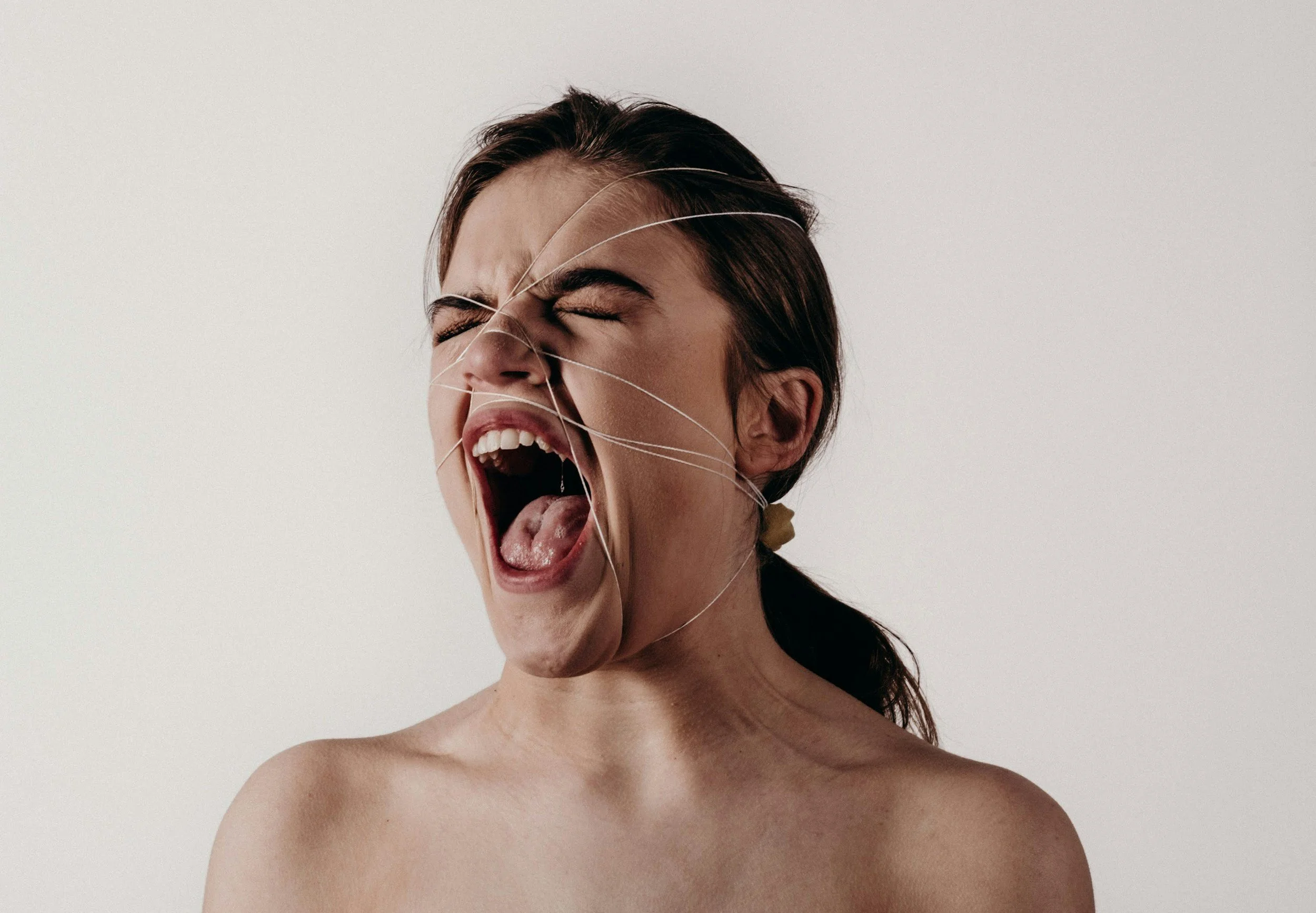
TMD stands for temporomandibular disorder. TMD describes a group of conditions that can affect the jaw joints, chewing muscles, and surrounding tissues.
The National Institute of Dental and Craniofacial Research estimates that temporomandibular disorders affect about 5 percent of American adults. TMD is one of the more common musculoskeletal pain conditions and may be temporary for some people while becoming persistent for others.
The temporomandibular joint is unusually complex because it combines both hinge and sliding movements. Every time you chew, speak, swallow, or yawn, the joint must coordinate with muscles throughout the face, jaw, head, and neck.
When that system becomes irritated or poorly coordinated, symptoms can develop.
What Does TMJ Pain Feel Like?
TMD symptoms can differ substantially between patients.
Common complaints include:
Pain directly in front of the ear
Jaw fatigue while eating
Difficulty chewing
Pain when opening the mouth widely
Restricted jaw opening
Jaw locking
Painful clicking or popping
Facial aching
Headaches
Neck pain
Ear-area discomfort
A sensation that the bite has changed
Tightness in the muscles around the temples or cheeks
Mayo Clinic notes that TMD may produce jaw tenderness, pain around the temporomandibular joints, facial pain, headaches, neck pain, difficulty chewing, and locking of the jaw.
One important distinction is that jaw clicking without pain is common and does not necessarily require treatment. The NIDCR specifically notes that painless clicking or popping can be normal.
Pain, locking, loss of motion, or functional difficulty is more clinically meaningful than noise alone.
Why Does TMJ Pain Develop?

There is rarely one universal cause of TMD.
Instead, jaw pain often develops from a combination of joint stress, muscle tension, habits, previous injury, and individual health factors.
Potential contributors include:
Teeth clenching
Teeth grinding, also called bruxism
Stress-related jaw tension
Frequent gum chewing
Nail biting
Jaw trauma
Previous motor vehicle collisions
Poor head and neck posture
Restricted cervical or upper thoracic movement
Excessive muscle tension
Arthritis affecting the joint
Altered movement of the articular disc inside the TMJ
Sleep disturbances
Mayo Clinic notes that jaw clenching, grinding, gum chewing, nail biting, stress, arthritis, jaw injury, and other painful conditions may contribute to TMD. The exact cause is often difficult to isolate.
This is why good TMJ care should not begin with the assumption that every patient has the same problem.
The Connection Between TMJ Pain and Neck Pain
The jaw does not function independently from the neck.
Muscles controlling the jaw, head, and cervical spine work together throughout the day. When someone repeatedly holds the head forward while working on a laptop or phone, the muscles surrounding the neck and jaw may have to work differently to maintain head position.
Patients with jaw pain commonly also report:
Upper trapezius tension
Headaches
Rounded shoulder posture
Upper back tightness
Reduced neck rotation
Research-based clinical guidance for chronic TMD supports supervised postural exercise as one component of conservative treatment. Manual therapy, trigger point therapy, jaw exercises, and stretching also have evidence supporting their use in appropriate patients.
This relationship is especially important at Evolve Chiropractic because we already treat many patients for neck pain and headaches, two complaints that frequently overlap with jaw tension. Evolve's existing neck and headache program also includes TMJ-related tension work when appropriate.
Stress, Clenching, and the Jaw
One of the most common patterns we see is a patient who does not realize how frequently they are clenching their jaw.
Stress can cause people to unconsciously contract the jaw muscles while:
Working
Driving
Exercising
Concentrating
Sleeping
Responding to stressful situations
A patient may spend eight hours repeatedly clenching at a computer, then grind their teeth overnight, leaving very little time for those muscles to relax.
Over time, the masseter, temporalis, and surrounding muscles may become tender and fatigued.
A useful relaxed jaw position generally involves allowing the teeth to remain slightly separated when you are not chewing or swallowing. Becoming aware of unnecessary clenching can be an important part of reducing muscular overload.
For some patients, stress management, relaxation strategies, behavioral techniques, or consultation with another healthcare professional may be an important part of comprehensive care.
Can Posture Cause TMJ Pain?
Posture should not be treated as the explanation for every jaw complaint, but it can influence how the head, neck, and jaw muscles function together.
Long periods of desk work may contribute to:
Forward head positioning
Upper cervical muscle tension
Rounded shoulders
Reduced upper back mobility
Altered breathing patterns
Increased jaw clenching

For professionals in Dripping Springs who split their days between a laptop, phone, vehicle, and home office, these stresses can accumulate.
That is why a TMJ evaluation at Evolve may include more than looking at the jaw. Depending on the presentation, we may also evaluate:
Cervical motion
Upper back mobility
Head position
Shoulder mechanics
Breathing patterns
Muscle tenderness
Workstation habits
Jaw opening and closing mechanics
The purpose is to identify the factors that actually appear relevant to the individual patient rather than attempting to correct every minor postural variation.
Can Chiropractic Care Help TMJ and Jaw Pain?
For certain musculoskeletal TMD presentations, conservative manual care can be useful as one part of treatment.
The strongest evidence does not suggest that every patient simply needs their jaw "adjusted."
Instead, contemporary TMD guidance favors a multimodal conservative approach.
A 2023 BMJ clinical practice guideline for chronic TMD pain gave strong recommendations in favor of treatments including therapist-assisted mobilization, manual trigger point therapy, supervised postural exercise, supervised jaw exercise and stretching, and patient education and home exercises. Manipulation received a conditional recommendation, including when combined with postural exercise.
This fits closely with how we approach musculoskeletal jaw pain at Evolve.
Care may include:
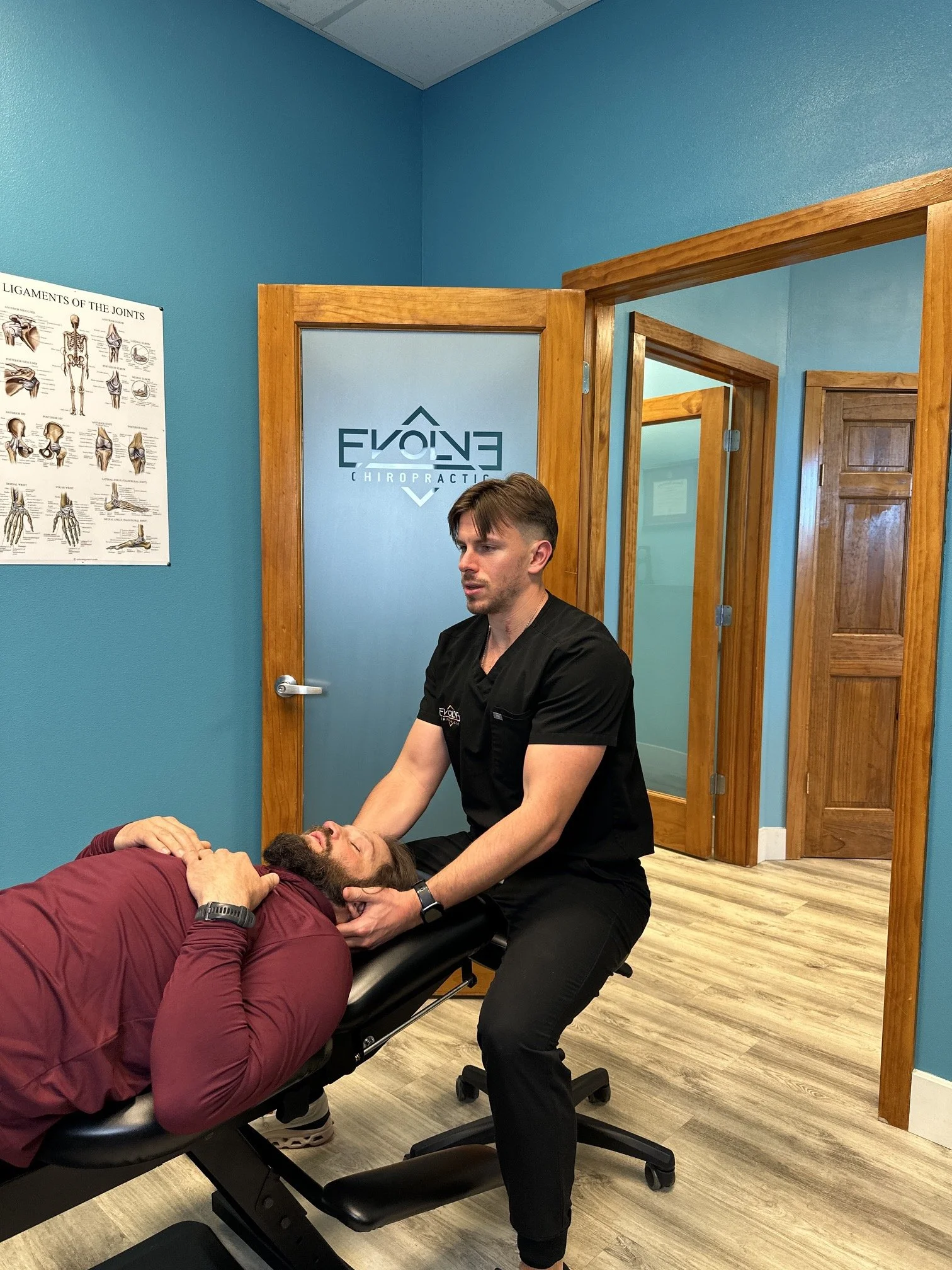
Cervical or thoracic chiropractic adjustments when indicated
Joint mobilization
Soft tissue therapy
Trigger point work
Postural rehabilitation
Jaw control exercises
Neck strengthening
Shoulder blade stabilization
Ergonomic modification
Clenching awareness
Home mobility exercises
The exact combination depends on what we find during the examination.
Conservative Care Should Usually Come First
One reason this topic matters is that TMD treatment can become complicated very quickly.
The NIDCR recommends beginning with simple, conservative approaches whenever appropriate because many TMD symptoms improve without invasive intervention. The institute specifically advises caution with treatments that permanently alter the teeth, bite, or jaw joint.
Simple strategies may include:
Temporarily choosing softer foods during a painful flare
Avoiding excessive gum chewing
Reducing unnecessary jaw clenching
Using appropriate heat or cold
Gentle jaw exercises
Gradually restoring normal movement
Addressing neck and postural dysfunction
Improving sleep and recovery habits
The goal should be to use the least invasive effective strategy before considering irreversible procedures.
When You Should See a Dentist or TMJ Specialist
Chiropractic care is not intended to replace dentistry or oral and maxillofacial care.
Some jaw problems require evaluation by a dentist, physician, or orofacial pain specialist.
Referral may be appropriate when there is:
Significant dental pain
A suspected tooth problem
Jaw trauma or suspected fracture
Significant change in the bite
Persistent jaw locking
Severe limitation in mouth opening
Significant joint swelling
Infection concerns
Symptoms that do not respond as expected
A suspected structural internal joint problem
Need for evaluation of a dental appliance
NIDCR notes that diagnosing TMD can be challenging because jaw and facial pain may come from multiple conditions. A dentist or physician may recommend X-ray, MRI, or CT imaging depending on the presentation.
More complex cases may benefit from collaborative care involving dentists, oral surgeons, pain specialists, and other healthcare professionals.
At Evolve Chiropractic, referral is a strength, not a failure of treatment. If your condition requires expertise outside our scope, helping you reach the right provider is part of good care.
Evolve Chiropractic's Three-Phase Approach to Jaw Pain
Evolve Chiropractic uses the same structured philosophy for TMJ-related musculoskeletal pain that we use throughout our clinic: Relief, Recovery, and Rehabilitation.
Not every modality is appropriate for every jaw pain patient. Treatment is selected according to the examination, symptoms, tolerance, and goals.
Relief Phase: Decreasing Pain and Inflammation
When jaw pain is highly irritated, the first goal is to reduce discomfort and decrease protective muscular tension.
Depending on the patient's presentation, Relief Phase care may include:
Heat and electrical stimulation
Intersegmental traction when cervical involvement is present
Percussion therapy to appropriate surrounding musculature
CBD soft tissue therapy
Chiropractic adjustments to relevant spinal or extremity joints when indicated
Gentle jaw and neck mobility guidance
The goal is to make basic activities easier.
That may mean:
Eating with less discomfort
Opening the mouth more comfortably
Sleeping without waking from jaw tension
Reducing headache frequency
Improving neck motion
Finishing a workday with less facial and shoulder tension
Pain reduction gives us the opportunity to begin addressing the muscular patterns beneath the symptoms.
Recovery Phase: Improving Muscle Tonicity for Long-Term Results
Once the acute irritation begins to settle, treatment shifts toward persistent muscle tension and movement dysfunction.
Recovery Phase treatments at Evolve include:
Compression therapy when appropriate for associated regions
Cupping therapy
Muscle scraping and Graston-style therapy
Dry needling
For a jaw pain patient, treatment may emphasize the cervical spine, shoulders, upper back, and other involved musculature.
Dry needling may also be incorporated when clinically appropriate and within the specific muscular presentation. Evolve Chiropractic's dry needling services are designed to address trigger points, muscle tension, headaches, neck discomfort, and restricted mobility as part of a comprehensive care plan rather than as a standalone treatment.
This phase is intended to:
Decrease persistent muscle guarding
Improve tissue quality
Restore comfortable movement
Reduce trigger point activity
Improve neck and jaw coordination
Prepare the patient for strengthening
The patient begins progressing from simply experiencing less pain to functioning differently.
Rehabilitation Phase: Strengthening and Stabilizing
Long-term improvement requires the body to control movement after muscle tension has decreased.

TMJ-related rehabilitation may include:
Controlled jaw opening and closing
Gentle jaw coordination exercises
Deep neck flexor strengthening
Upper back strengthening
Shoulder blade stabilization
Thoracic mobility
Breathing exercises
Postural endurance
Ergonomic correction
Clenching awareness strategies
Progressive return to normal chewing and activity
Evidence-based guidelines for chronic TMD strongly support supervised jaw exercise, stretching, postural exercise, and usual care that includes education and home exercise.
This is where transformation happens.
The goal is not just for the jaw to hurt less during an appointment.
The goal is for you to go through a workday without constantly clenching, eat comfortably, sleep better, exercise without building excessive neck tension, and stop thinking about your jaw throughout the day.
Why Patients Choose Evolve Chiropractic for TMJ and Jaw Pain
Evolve Chiropractic already treats TMJ and jaw pain as part of the clinic's broader musculoskeletal services.
Our approach is different because we do not isolate one painful structure from the rest of the person.
A jaw pain patient may need us to consider:
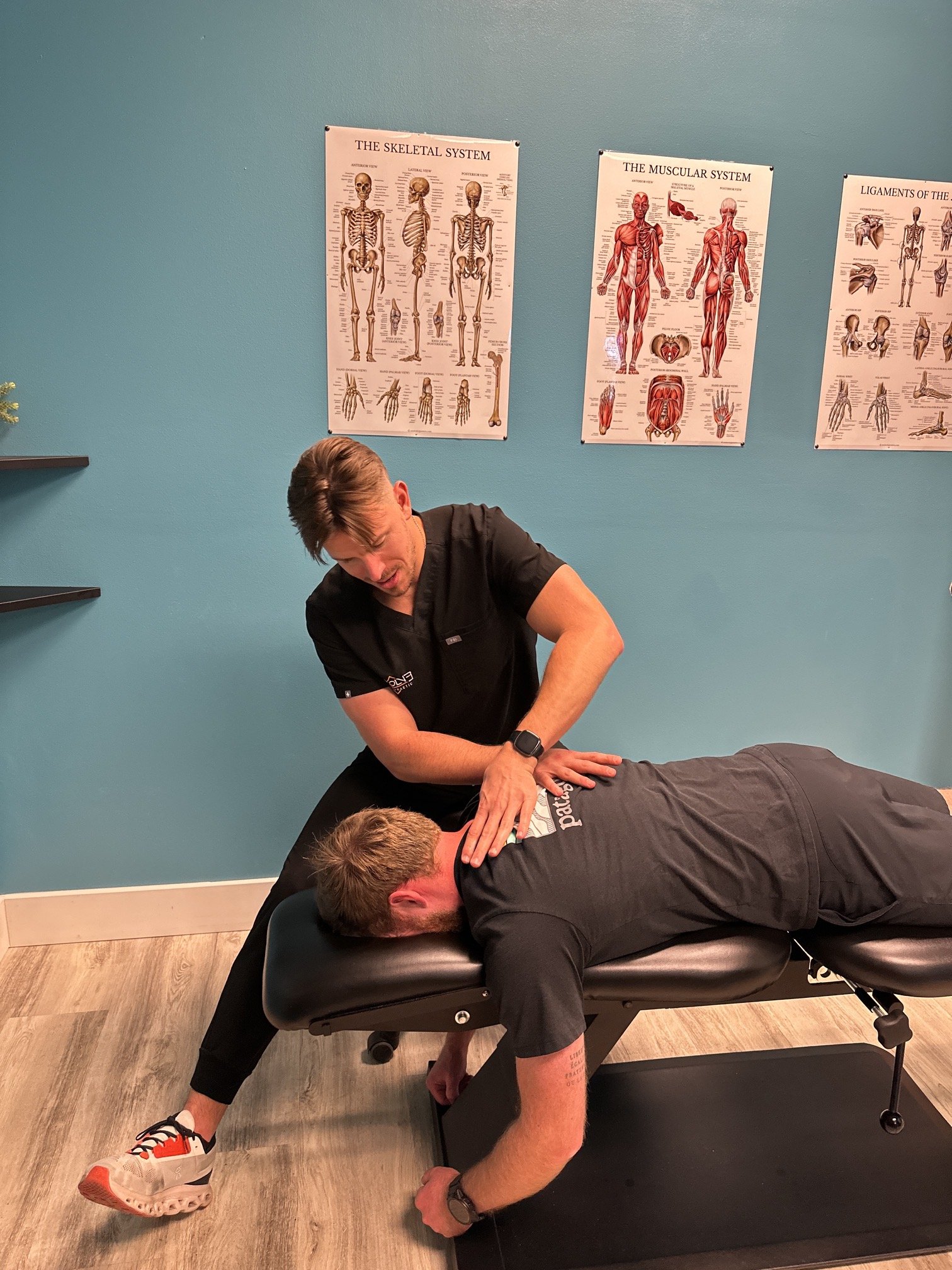
The TMJ itself
Muscles of mastication
Cervical spine mobility
Upper back movement
Shoulder tension
Headaches
Posture
Desk ergonomics
Exercise habits
Stress and clenching
Sleep
Previous injuries
Patients receive:
Longer appointments
A detailed musculoskeletal examination
Advanced soft tissue treatment
Individualized rehabilitation
Education and home strategies
Collaboration or referral when dental or medical evaluation is necessary
Evolve's broader treatment philosophy is centered on individualized functional goals and systematically progressing patients through Relief, Recovery, and Rehabilitation rather than providing isolated treatments without a clear destination.
From Constant Clenching to Comfortable Movement
Consider a composite example based on a common clinical presentation.
A professional from Belterra develops headaches, jaw soreness, and neck tension after several months of increased workload. The jaw feels tired by dinner. Clicking is noticeable when yawning, and mornings begin with tightness through the temples and cheeks.
The patient has also been working from a laptop and notices that neck stiffness increases late in the afternoon.
During the examination, we identify muscular tenderness around the jaw, restricted upper neck and thoracic movement, poor postural endurance, and significant clenching behavior during concentration.
The patient is also encouraged to complete an appropriate dental evaluation to rule out dental pathology and discuss nighttime grinding.
During the Relief Phase, treatment reduces neck and surrounding muscular tension while improving comfortable movement.
During Recovery, targeted soft tissue therapy and dry needling address persistent trigger points and muscular guarding.
During Rehabilitation, the patient learns jaw control exercises, deep neck strengthening, scapular stability, breathing strategies, and workstation changes.
Over time, the transformation becomes obvious.
The patient no longer reaches the end of every workday with a headache.
Eating feels normal.
Morning jaw tension becomes occasional instead of expected.
Neck movement improves.
And perhaps most importantly, the patient now recognizes clenching before it becomes painful and has the tools to interrupt the cycle.
That is the outcome we want from conservative TMJ care: not dependence on repeated passive treatment, but greater comfort, control, and confidence.
TMJ Care for Dripping Springs and the Hill Country
Evolve Chiropractic provides musculoskeletal care for patients throughout:
Dripping Springs
Belterra
Driftwood
Wimberley
Headwaters
Caliterra
Highpointe
Bee Cave
Oak Hill
Southwest Austin
Henly
For patients searching for TMJ treatment near Dripping Springs, proximity matters, but so does finding a provider who understands the connection between the jaw, cervical spine, muscle tension, headaches, posture, and rehabilitation.
Frequently Asked Questions About TMJ and Jaw Pain
What is the best treatment for TMJ pain?
There is no single best treatment for every TMD. The correct approach depends on whether the primary problem involves muscle tension, joint irritation, jaw movement, clenching, trauma, arthritis, or another condition. Conservative approaches such as education, exercises, stretching, manual therapy, behavioral strategies, and self-management are generally favored before irreversible procedures.
Can a chiropractor help TMJ pain?
Chiropractic care may help certain musculoskeletal TMD presentations, particularly when jaw pain occurs alongside neck restriction, muscle tension, headaches, or postural dysfunction. Evidence supports several conservative manual and exercise-based treatments for chronic TMD, while manipulation carries a conditional recommendation rather than being appropriate for every patient.
Can TMJ cause headaches?
Yes. TMD can be associated with headaches as well as facial, ear-area, and neck pain. Because headaches have many possible causes, persistent or unusual headaches should be appropriately evaluated rather than automatically attributed to the jaw.
Can TMJ cause neck pain?
Jaw pain and neck pain frequently occur together. Muscles controlling the jaw and cervical region interact during posture, chewing, swallowing, and movement. This is one reason postural and cervical assessment may be useful in patients with musculoskeletal TMD.
Is jaw clicking normal?
Jaw clicking or popping without pain or loss of function is common and frequently does not require treatment. Painful clicking, locking, restricted movement, or difficulty chewing deserves further evaluation.
How do I know if my jaw pain is TMJ or a tooth problem?
Jaw, facial, and dental pain can overlap. Tooth sensitivity, swelling, dental infection, trauma, or focal dental pain should be evaluated by a dentist. A musculoskeletal examination can help identify findings consistent with TMD, but dental causes should not be overlooked.
Can stress cause TMJ pain?
Stress can contribute indirectly by increasing clenching, grinding, and muscle tension. Reducing these behaviors, improving awareness, and using appropriate relaxation or behavioral strategies may be useful components of treatment.
Should I use a mouth guard for TMJ?
Some patients may benefit from a properly selected dental appliance, particularly when grinding or clenching is present, but appliances are not universally effective for TMD pain. NIDCR recommends avoiding appliances intended to permanently change the bite and consulting a dentist or physician if an appliance increases pain.
How long does TMJ pain take to improve?
The timeline varies. Some TMD symptoms are temporary and resolve with conservative care or self-management, while chronic cases may require a longer combination of treatment, exercise, behavioral changes, and dental or medical collaboration.
When should I see a specialist for TMJ pain?
Seek additional evaluation if the jaw locks, you cannot fully open or close your mouth, pain is severe or persistent, there is substantial swelling, trauma has occurred, your bite changes significantly, or conservative care does not produce appropriate progress. Mayo Clinic recommends medical evaluation for persistent jaw tenderness or inability to completely open or close the jaw.
Conclusion

Jaw pain can affect eating, sleeping, working, exercising, and even your ability to relax.
Effective treatment begins with understanding why the symptoms are occurring.
For musculoskeletal TMJ and jaw pain, Evolve Chiropractic uses a conservative approach built around three purposeful stages.
Relief decreases pain, irritation, and muscle guarding.
Recovery improves muscle tonicity, tissue function, and mobility.
Rehabilitation builds the strength, control, postural endurance, and movement habits needed to maintain progress.
And when the problem requires dental, medical, or orofacial expertise, we help guide the patient toward the appropriate provider rather than attempting to treat something outside our scope.
If jaw pain, headaches, clenching, or neck tension are interfering with your daily life, schedule an evaluation at Evolve Chiropractic in Dripping Springs, TX.
Schedule Your Evaluation at Evolve Chiropractic
Written by Dr. Jackson Humphrey, DC, CCSP
Evolve Chiropractic, Dripping Springs, TX