
Stand Taller: Posture Correction in Dripping Springs, TX

Poor posture can gradually affect how you feel, move, work, and exercise. Neck tension, headaches, rounded shoulders, low back discomfort, and fatigue often develop slowly, making them easy to dismiss until they interfere with daily life. For many professionals, parents, students, and active adults, posture correction in Dripping Springs, TX is not simply about looking straighter. It is about reducing physical strain, restoring comfortable movement, and helping the body tolerate the demands of work and recreation. At Evolve Chiropractic, we evaluate the joints, muscles, movement habits, and work environment that may be contributing to each patient’s symptoms. This guide explains what posture correction involves and how our three-phase approach helps patients progress from daily discomfort to greater strength, confidence, and control.
What Does Good Posture Actually Mean?
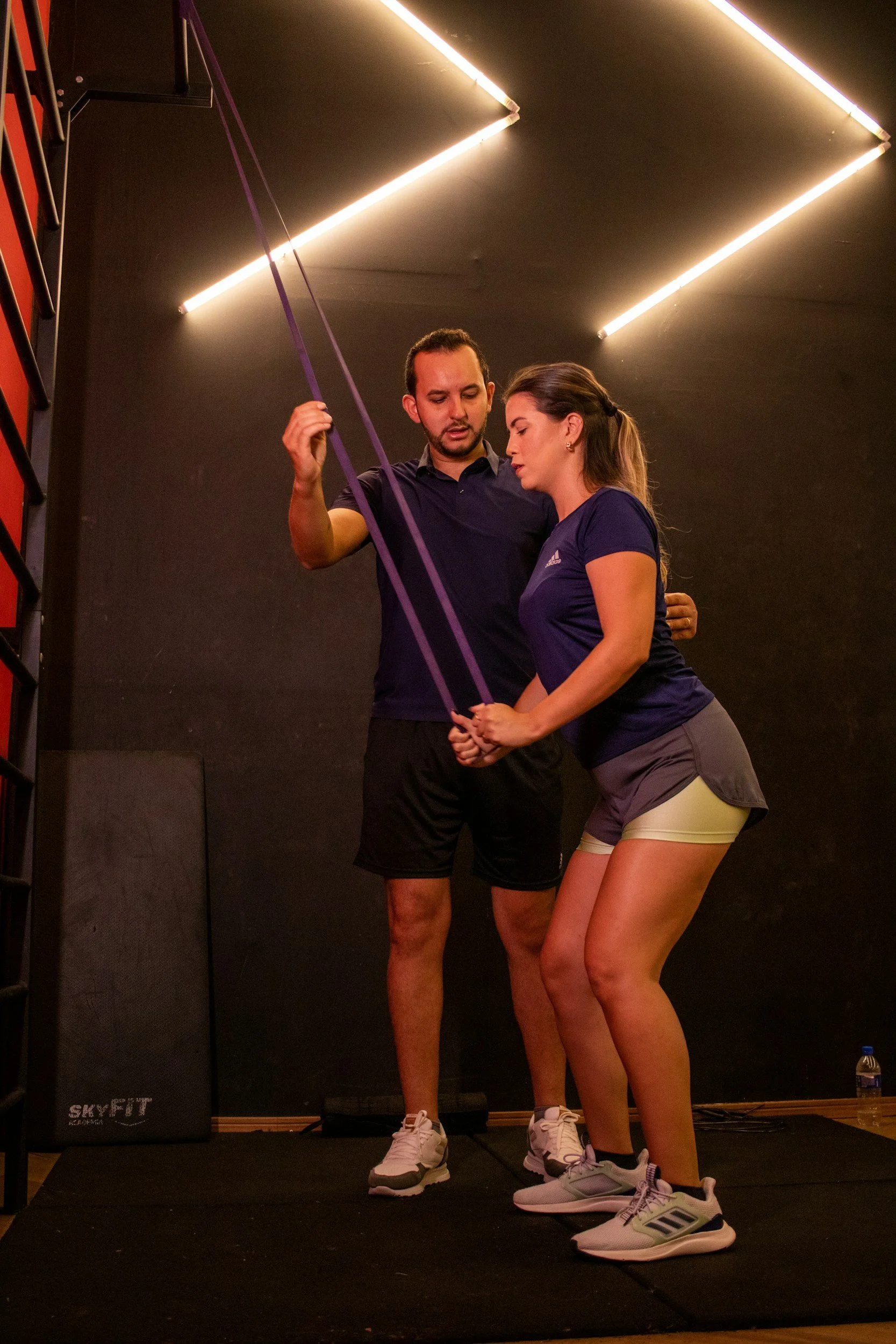
Good posture does not mean forcing your shoulders backward or holding your spine in one rigid position all day. The human body is designed to move, shift, and adapt.
A healthy posture allows your head, rib cage, pelvis, and limbs to work together without placing unnecessary stress on one area. It should feel supported rather than strained. It should also allow you to change positions comfortably throughout the day.
There is no single workstation position that is perfect for every person. OSHA notes that computer workstations should support neutral positioning while also allowing users to change posture periodically.
Posture is also only one part of the picture. Pain can be influenced by:
Joint mobility
Muscle strength and endurance
Previous injuries
Workstation design
Stress and muscle guarding
Sleep quality
Activity level
Time spent in one position
Exercise and recovery habits
The goal of posture correction is therefore not visual perfection. The goal is to help your body become more adaptable, supported, and resilient.
Why Desk Work and Screen Time Affect the Body

Modern work often requires hours of sitting, laptop use, phone use, and forward-focused attention. Even when a position begins comfortably, remaining still for long periods can create fatigue.
Common desk-related patterns include:
Forward head positioning
Rounded or elevated shoulders
Reduced upper back mobility
Tight chest and neck muscles
Limited hip extension
Decreased glute activation
Reduced core and postural endurance
Increased pressure through the low back
NIOSH explains that maintaining the same position for an extended period can contribute to muscle fatigue and interfere with circulation, even when the original position appears neutral.
Research involving office workers has also linked sedentary behavior with an increased risk of neck pain. However, sitting alone is not always the entire cause. The combination of limited movement, poor workstation fit, stress, muscle endurance deficits, and individual health factors often matters more than any single posture.
This is especially relevant for people who work remotely in Dripping Springs, commute toward Austin, or alternate between a home office, laptop, vehicle, and mobile phone throughout the day.
Signs That Your Posture May Need Attention

Postural strain can appear differently from one person to another. Some patients notice obvious slouching, while others look relatively upright but still experience fatigue or pain.
Common symptoms include:
Neck pain or stiffness
Tension headaches
Burning or aching between the shoulder blades
Tight shoulders and upper trapezius muscles
Low back pain after sitting
Hip tightness when standing
Numbness or tingling into the arms or hands
Jaw tension
Reduced neck or shoulder mobility
Difficulty maintaining an upright position
Fatigue near the end of the workday
Pain that improves temporarily with movement
Poor posture can increase strain through the muscles of the neck, upper back, and jaw, potentially contributing to tension-type headaches and neck discomfort.
These symptoms do not necessarily mean your spine is permanently damaged or “out of place.” They often mean that certain tissues are being overworked while other muscles lack the strength, mobility, or endurance needed to share the load.
Forward Head Posture and Tech Neck

Forward head posture occurs when the head rests in front of the torso rather than remaining more closely centered above the shoulders. It often develops during computer work, phone use, driving, reading, gaming, or prolonged concentration.
Over time, the muscles at the back of the neck may work harder to support the head. The upper back may become rounded, the chest may tighten, and the muscles responsible for postural endurance may fatigue more quickly.
Possible symptoms include:
Neck and shoulder tightness
Headaches beginning near the base of the skull
Upper back stiffness
Reduced neck rotation
Jaw tension
Pain during computer work
Difficulty taking a full breath
Discomfort while sleeping
Treating tech neck requires more than reminding someone to “sit up straight.” Lasting improvement may require restoring neck and upper back mobility, reducing muscle tension, strengthening postural muscles, improving the workstation, and increasing movement throughout the day.
Can a Chiropractor Help Correct Posture?
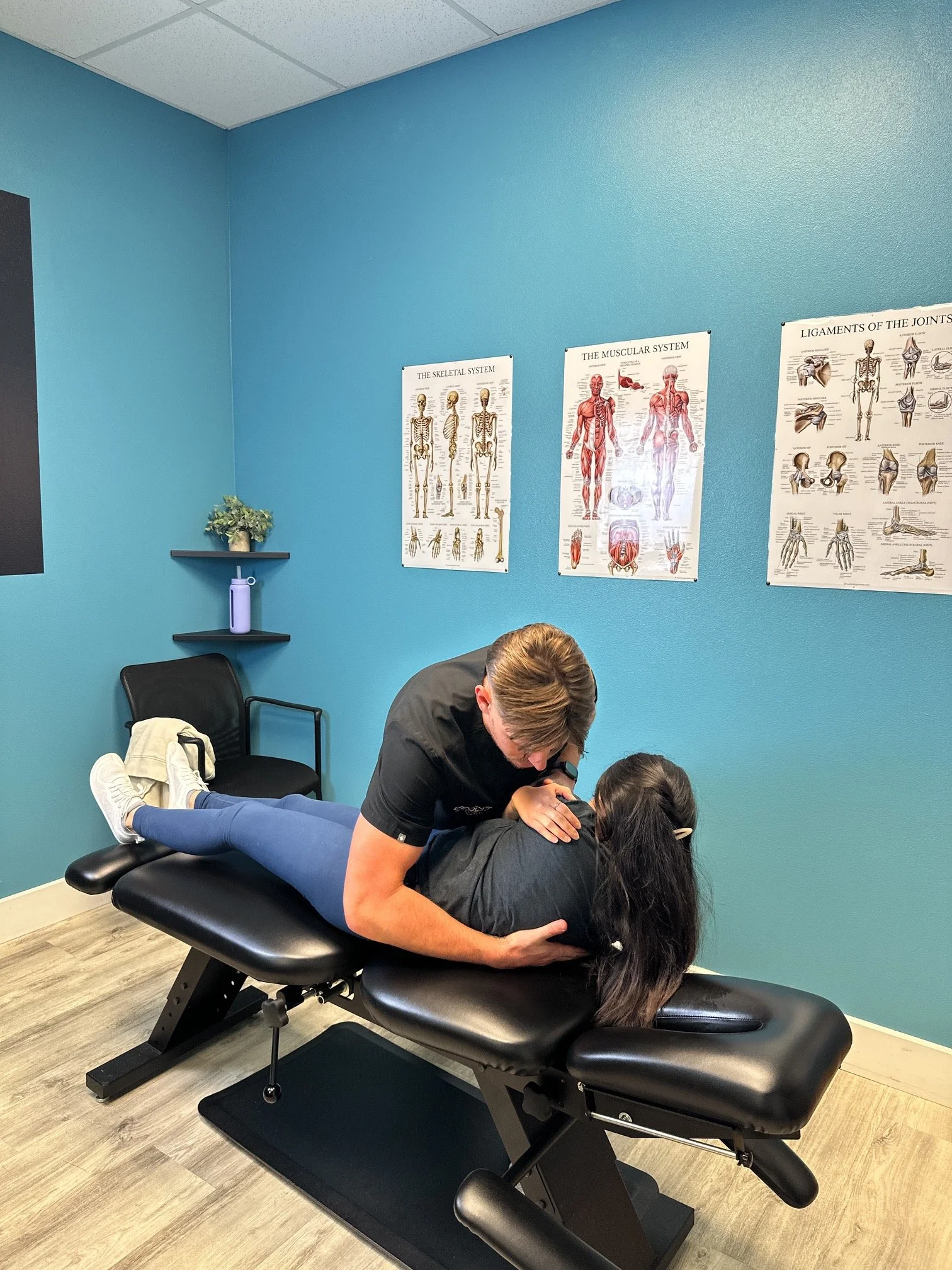
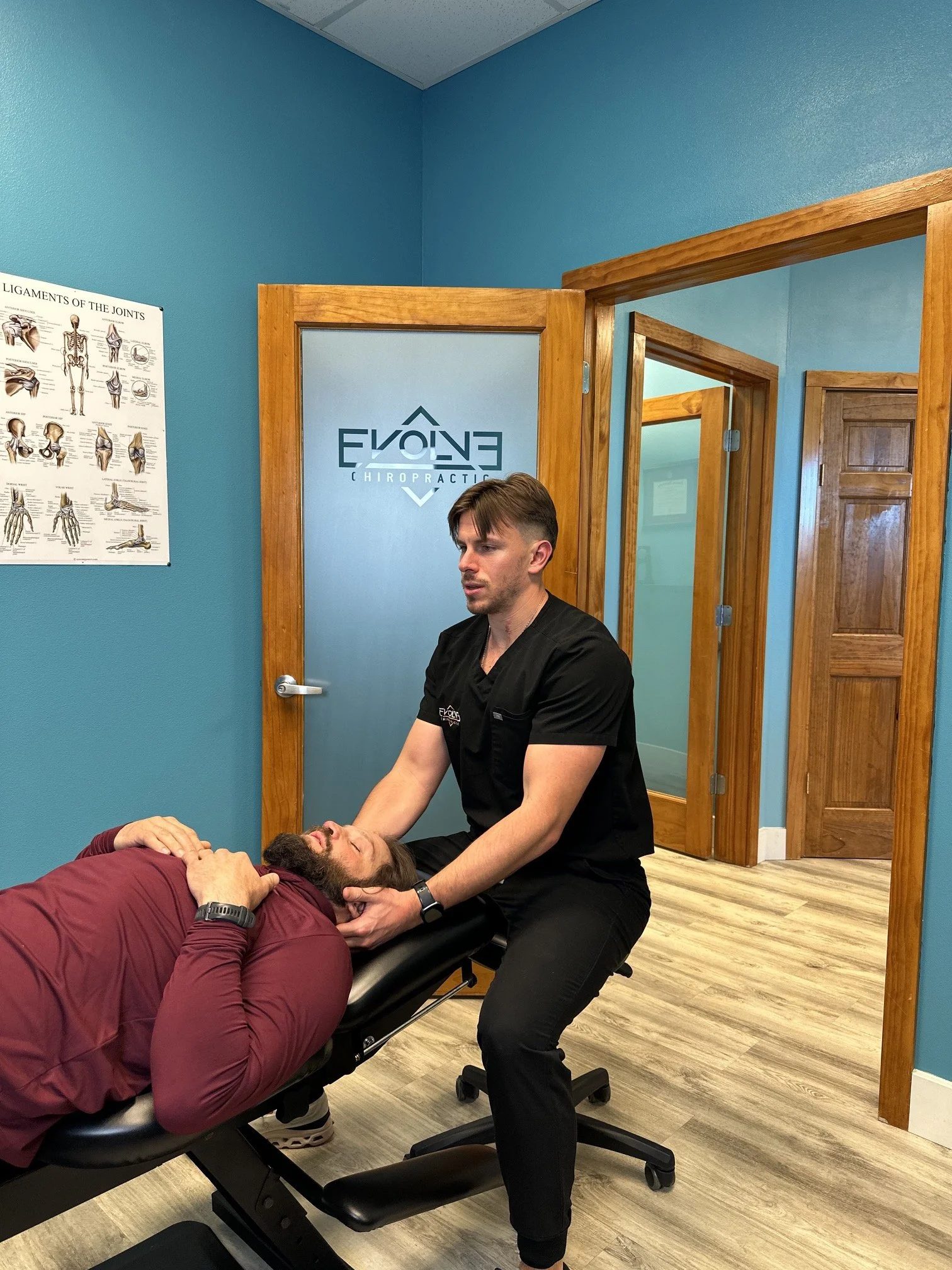
A chiropractor can help evaluate the physical factors contributing to poor posture and postural pain. At Evolve Chiropractic, posture correction may involve chiropractic adjustments, soft tissue treatment, ergonomic education, movement retraining, and condition-specific rehabilitation.
Chiropractic adjustments may be used to improve motion in restricted joints of the neck, upper back, low back, shoulders, or hips. Adjustments are not intended to force the body into one permanent position. They are used to help restore movement so the patient can move, exercise, and maintain comfortable positions more effectively.
Posture correction may also include:
Reducing tension in overactive muscles
Improving upper back and shoulder mobility
Strengthening the deep neck stabilizers
Building core and hip endurance
Improving shoulder blade control
Correcting breathing and bracing patterns
Modifying desk and screen placement
Teaching movement breaks
Progressing toward work, fitness, or athletic goals
Research involving office workers suggests that strengthening and endurance exercises can help reduce nonspecific neck pain. This supports an active approach that combines symptom relief with progressive rehabilitation.
Posture Correction for Dripping Springs Professionals
Dripping Springs has a growing population of professionals who work remotely, commute into Austin, own businesses, care for families, and remain active outside of work. Their posture-related problems often come from the contrast between long periods of sitting and bursts of demanding physical activity.
A typical week may involve:
Eight hours at a computer
Driving between Dripping Springs and Austin
Working from a laptop at the kitchen counter
Looking down at a phone between meetings
Carrying children or equipment
CrossFit, running, golf, pickleball, or strength training
Weekend projects around the home or property
The body may be relatively inactive for most of the workday and then expected to lift, rotate, run, or compete at a high level. When mobility and postural endurance are limited, this contrast can contribute to pain and recurring flare-ups.
Patients from Dripping Springs, Belterra, Driftwood, Wimberley, Bee Cave, and Southwest Austin often benefit from a plan that addresses both sides of the equation. We improve how they tolerate work while also preparing their bodies for the activities they value outside the office.
Workstation Ergonomics That Support Better Posture
A supportive workstation cannot replace movement, but it can reduce unnecessary strain.
Position the Screen Appropriately
The primary screen should be directly in front of you, with the top portion near eye level. This helps reduce prolonged downward neck positioning. Laptop users may benefit from an external keyboard and mouse so the screen can be elevated.
Support the Feet and Low Back
Keep the feet supported by the floor or a footrest. Adjust the chair so the hips and knees feel comfortable and the low back is supported without being forced into an exaggerated curve.
Keep the Keyboard and Mouse Close
The elbows should remain near the torso, with the shoulders relaxed. OSHA recommends arranging the keyboard so the elbows remain near keyboard height and the wrists can stay relatively neutral.
Avoid Reaching Toward the Screen
Frequently used items should remain close enough that you do not repeatedly lean or reach forward.
Change Position Regularly
The goal is not to find one position and hold it for eight hours. Alternate between sitting, standing, walking, and brief movement breaks.
A randomized trial found that active breaks and regular postural shifts reduced the development of new neck and low back pain among higher-risk office workers.
NIOSH also recommends periodic breaks from screens and sitting, including brief walking or stretching intervals during the workday.
Evolve Chiropractic’s Three-Phase Posture Correction Process
Posture correction should create more than a temporary change in how you sit. Our goal is to help you feel different, move differently, and develop the physical capacity to support your lifestyle.
Relief Phase: Decreasing Pain and Inflammation

The first phase focuses on reducing discomfort, calming irritated tissues, and restoring comfortable movement.
Treatments in the Relief Phase may include:
Heat and electrical stimulation
Intersegmental traction
Percussion therapy
CBD soft tissue therapy
Chiropractic adjustments
This phase can help decrease muscle guarding, improve spinal mobility, and make work, sleep, and daily movement more manageable.
Patients often begin noticing that they can turn their head more comfortably, sit longer with less tension, or finish the workday without the same degree of pain.
Recovery Phase: Improving Muscle Tonicity for Long-Term Results
Once pain and inflammation begin to decrease, we address muscle tension, tissue quality, and imbalances that may be pulling the body back into strained positions.
Treatments in the Recovery Phase may include:
Compression therapy
Cupping therapy
Muscle scraping and Graston-style therapy
Dry needling
The goal is to help overworked muscles relax while improving the function of tissues that support the neck, shoulders, spine, and hips.
This phase helps patients move beyond temporary relief. They begin developing better mobility and a more balanced foundation for strengthening.
Rehabilitation Phase: Strengthening and Stabilizing to Prevent Reinjury
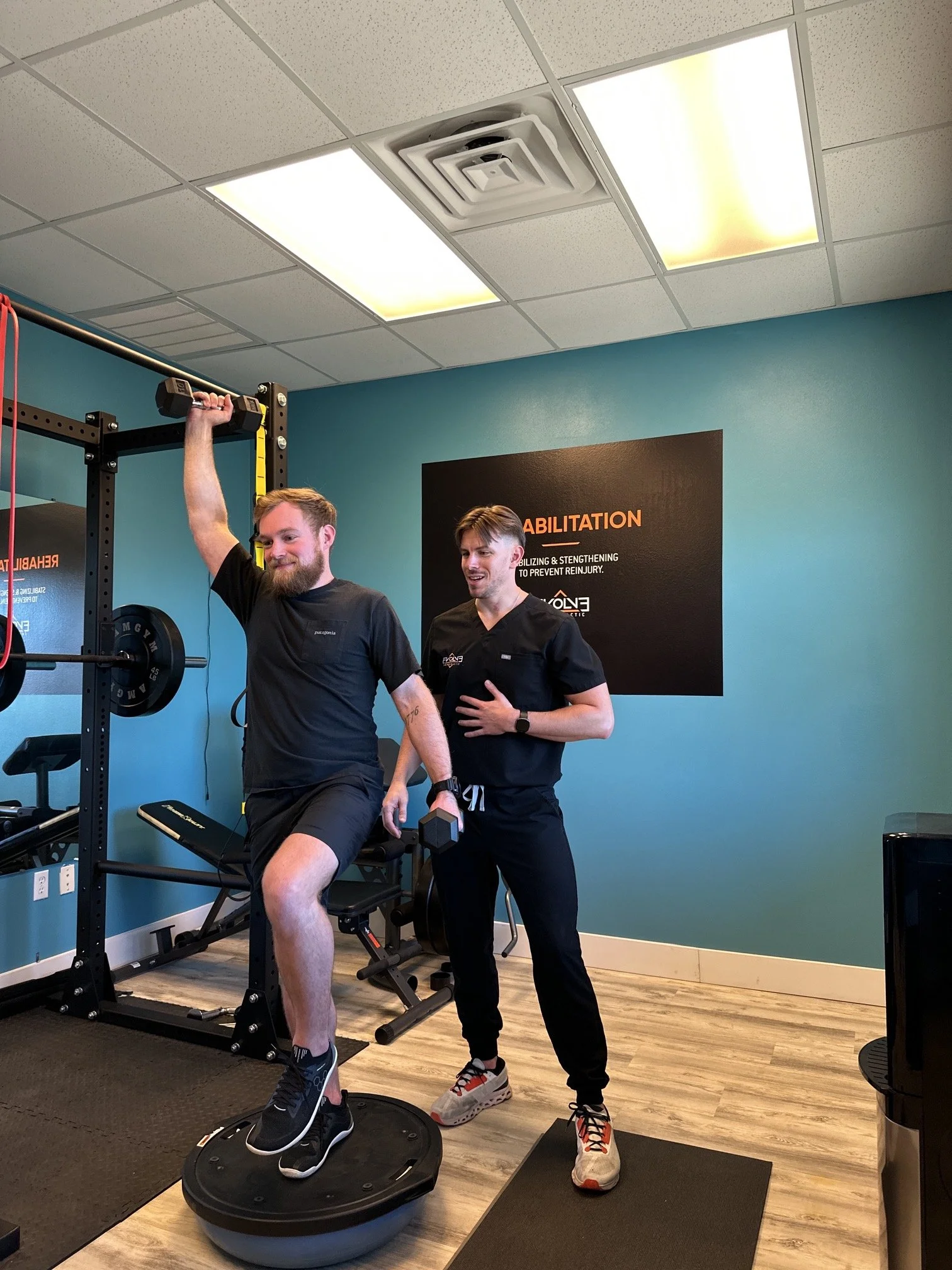
The Rehabilitation Phase builds the endurance, strength, and coordination needed to maintain progress outside the clinic.
Rehabilitation may include:
Deep neck stabilizer exercises
Upper back strengthening
Shoulder blade control
Core and hip stability
Thoracic mobility
Breathing and rib cage control
Work-specific movement strategies
Condition-specific corrective exercises
Sport and lifestyle-specific progressions
This is where patients learn to hold better positions without constantly thinking about them. They also develop the capacity to tolerate longer workdays, demanding workouts, travel, parenting, and recreation.
The goal is not simply to return you to your previous level. It is to help you progress toward levels of comfort, strength, and performance that may have felt unreachable when pain was controlling your routine.
The Evolve Chiropractic Difference
At Evolve Chiropractic, we do not sell the idea of perfect posture. We help patients build stronger, more adaptable bodies.
Our process begins by understanding what the patient wants to regain. That goal might be:
Completing a workday without headaches
Driving comfortably into Austin
Returning to strength training
Sleeping without neck pain
Playing golf without low back stiffness
Carrying children without shoulder tension
Feeling confident in photos or presentations
Exercising without recurring flare-ups
We then evaluate the obstacles standing between the patient and that goal. These may include restricted joint motion, muscle tension, poor endurance, movement compensations, workstation problems, or a lack of recovery.
Each phase of treatment has a purpose. Relief creates the comfort needed to move. Recovery improves muscle and tissue function. Rehabilitation builds the strength and stability needed to preserve the change.
Patients receive:
One-on-one care with Dr. Jackson Humphrey
Longer appointments for comprehensive treatment
Objective posture and movement analysis when appropriate
Chiropractic adjustments tailored to the individual
Advanced soft tissue therapies
Condition-specific rehabilitation
Ergonomic and lifestyle guidance
Progressions built around meaningful goals
This is how posture correction becomes a transformation rather than a temporary reminder to stand straighter.
A Posture Transformation Example
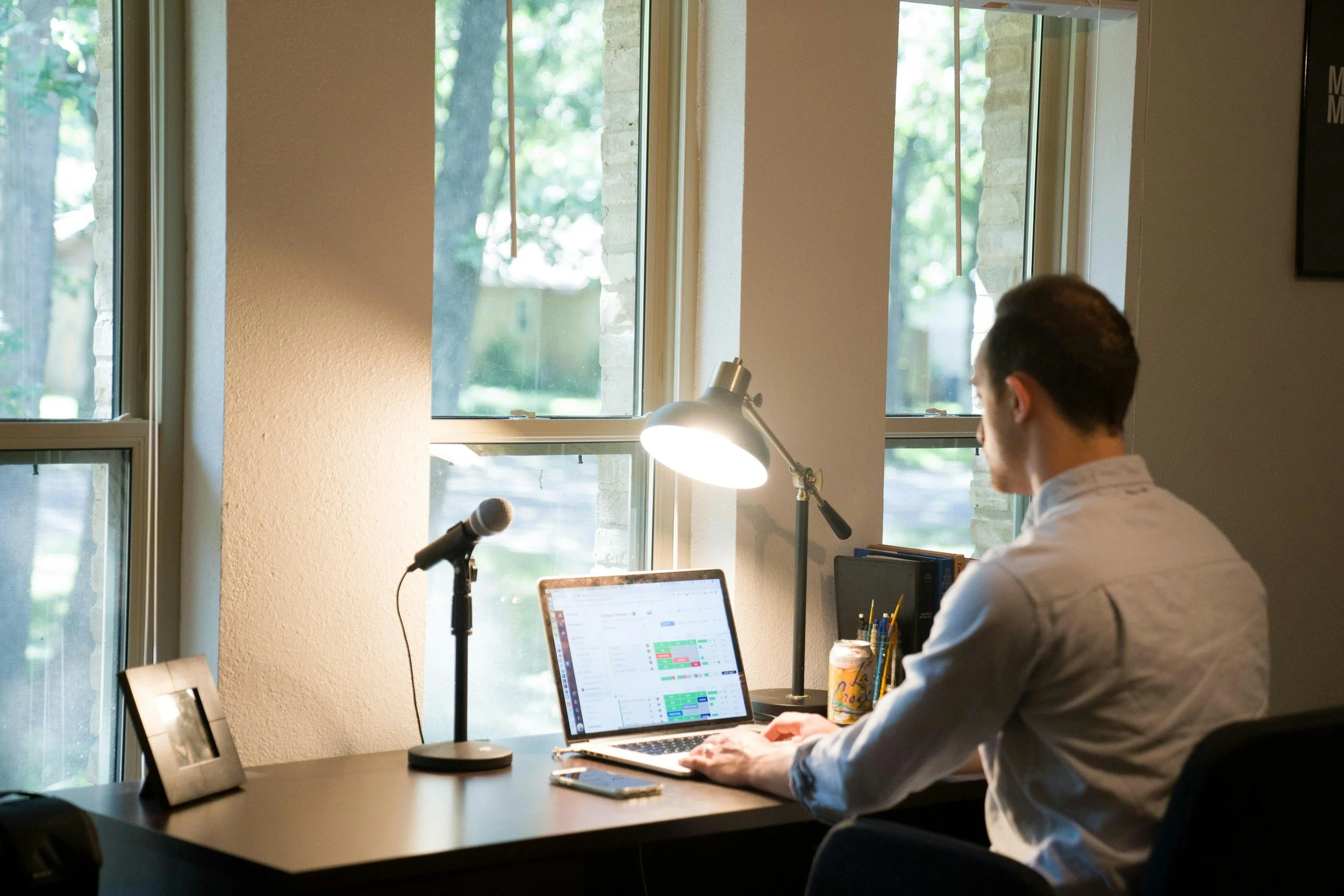
A composite example based on common clinical presentations involves a Dripping Springs professional who developed daily neck tension, headaches, and burning discomfort between the shoulder blades. Remote work had gradually shifted from a dedicated desk to a laptop at the kitchen counter. By the afternoon, concentration was difficult, and evening workouts were frequently skipped because the neck and shoulders already felt exhausted.
During the Relief Phase, chiropractic adjustments, traction, heat, electrical stimulation, and soft tissue care helped reduce pain and restore comfortable movement. In the Recovery Phase, dry needling, cupping, and muscle scraping addressed persistent tension through the neck, chest, and upper back.
The greatest transformation occurred during Rehabilitation. The patient strengthened the deep neck muscles, upper back, core, and shoulders while modifying the workstation and introducing brief movement breaks.
Over time, headaches became uncommon, workdays felt easier, and exercise became consistent again. The patient did not merely look more upright. They felt stronger, more energetic, and more confident in their ability to manage work and physical activity.
Individual results vary, but this example illustrates why lasting posture correction requires more than a single adjustment or ergonomic chair.
When Posture-Related Symptoms Need Chiropractic Evaluation
Most posture-related discomfort is musculoskeletal, but some symptoms require prompt attention.
Seek urgent evaluation when neck or back pain:
Follows a significant collision, fall, or other trauma
Is severe or rapidly worsening
Travels into an arm or leg with increasing weakness
Is accompanied by significant numbness or tingling
Causes difficulty walking or loss of coordination
Occurs with a high fever
Is accompanied by a sudden or severe headache
Is associated with bowel or bladder changes
Mayo Clinic recommends medical evaluation for neck pain accompanied by weakness, numbness, tingling, radiating pain, severe headache, fever, or significant trauma.
Frequently Asked Questions About Posture Correction
Can a chiropractor fix bad posture?
A chiropractor can help address restricted joints, muscle tension, movement limitations, and discomfort that may contribute to poor posture. Lasting posture correction usually requires a combination of hands-on care, strengthening, ergonomic changes, and consistent movement habits.
How long does posture correction take?
The timeline depends on your symptoms, habits, strength, mobility, work demands, and how long the problem has been present. Some patients feel less tension within several visits, while measurable changes in endurance and movement control may require several weeks or months.
Can poor posture cause neck pain and headaches?
Poor posture can increase strain through the neck, shoulders, upper back, and jaw. This may contribute to muscle tension, restricted movement, and certain tension-type or cervicogenic headaches.
What is the best sitting posture for desk work?
A supportive sitting position generally keeps the screen in front of you, the feet supported, the low back comfortable, the shoulders relaxed, and the keyboard close. However, changing positions regularly is just as important as the starting position.
Is a standing desk better for posture?
A standing desk can be useful when it helps you alternate positions, but standing all day can also create fatigue. The greatest benefit usually comes from rotating between sitting, standing, and walking rather than replacing one static position with another.
How often should I take a break from sitting?
Brief movement breaks throughout the day can reduce prolonged static loading. A practical starting point is to stand, walk, or move for a few minutes at least once each hour. Some people benefit from more frequent changes.
Can exercise correct forward head posture?
Targeted exercises can improve neck endurance, upper back strength, shoulder control, and body awareness. Exercises are most effective when selected according to the patient’s specific mobility and strength findings.
Should I stretch or strengthen to improve posture?
Most patients need a combination. Stretching can help reduce restrictions, while strengthening builds the endurance needed to maintain comfortable positions. Stretching alone rarely produces lasting postural change.
Can poor posture cause numbness or tingling in the arms?
Postural strain may contribute to muscle tension or irritation around the neck, shoulder, and arm. However, persistent numbness, tingling, or weakness should be professionally evaluated because nerve involvement and other conditions must be considered.
Do posture braces work?
A posture brace may provide short-term awareness or support, but it does not replace strength, mobility, or movement retraining. Prolonged dependence on a brace without active rehabilitation is unlikely to create lasting correction.
Call to Action
Posture correction is not about forcing your body into a rigid position. It is about restoring movement, reducing unnecessary strain, improving your work environment, and building the strength to support your life.
At Evolve Chiropractic, we help patients progress from neck tension, headaches, back pain, and fatigue toward greater comfort, confidence, and physical capacity. Our structured Relief, Recovery, and Rehabilitation process combines chiropractic care, advanced soft tissue treatment, Kinetisense movement analysis, ergonomic guidance, and personalized exercises.
If desk work, screen time, or poor posture is affecting your comfort or performance, schedule a posture and movement evaluation at Evolve Chiropractic.
Book an appointment with Evolve Chiropractic
Written by Dr. Jackson Humphrey, DC, CCSP
Evolve Chiropractic, Dripping Springs, TX