
No more shrimping! Posture Correction & Chiropractic Care for Desk Workers in Dripping Springs, TX

If you spend most of your day sitting at a desk, working on a laptop, or staring at a screen, your posture is likely working against you. Desk workers in Dripping Springs, TX frequently experience neck pain, tight shoulders, headaches, low back discomfort, and stiffness that seems to worsen over time. These symptoms often develop slowly, making them easy to ignore until they begin affecting sleep, work performance, workouts, or overall quality of life.
At Evolve Chiropractic, we see professionals from Dripping Springs, Belterra, Driftwood, and Wimberley who feel worn down by desk-related pain and poor posture. As a chiropractor in Dripping Springs, TX, my focus is not only relieving discomfort but also helping people permanently change how their bodies move, sit, and function throughout the workday. This blog explains why desk work damages posture, how chiropractic care helps, and how our structured process leads to real, lasting transformation.
Why Desk Work Negatively Affects Posture

Modern desk jobs demand long hours of sitting, minimal movement, and forward-focused attention. Over time, this creates predictable postural changes.
Common Postural Changes from Desk Work
Forward head posture
Rounded shoulders
Tight chest and neck muscles
Weak upper back and deep neck stabilizers
Reduced spinal mobility
Tight hip flexors from prolonged sitting
Inhibited glutes and core muscles
When posture shifts this way, the spine is forced to support weight inefficiently. This leads to chronic muscle tension, joint stress, and nerve irritation.
Symptoms Commonly Experienced by Desk Workers
Poor posture rarely causes just one symptom. Instead, it creates a chain reaction throughout the body.

Frequent Desk-Related Complaints
Tension headaches or migraines
Upper back stiffness and burning sensations
Fatigue and reduced concentration
Pain that worsens at the end of the workday
Many people assume these issues are normal parts of aging or work life, but they are often reversible with proper care.
How Chiropractic Care Helps Desk Workers
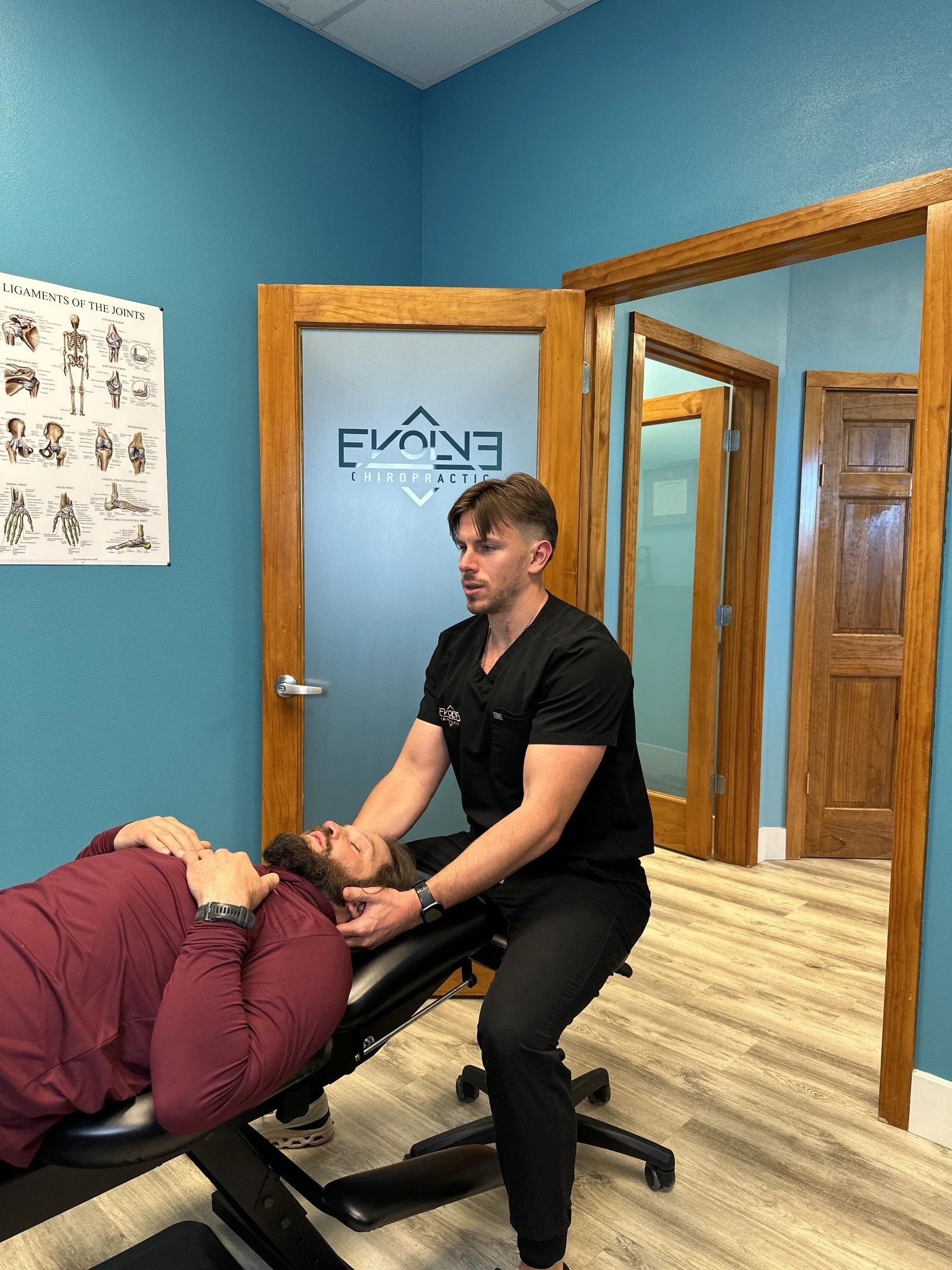
Chiropractic care addresses the root causes of postural dysfunction rather than masking symptoms.
Benefits of Chiropractic for Posture
Restores healthy spinal alignment
Reduces muscle tension and joint stiffness
Improves nerve communication
Increases mobility in restricted areas
Improves body awareness and posture control
Decreases headache frequency
Supports long-term ergonomic changes
At Evolve Chiropractic, posture correction is never passive. Treatment is active, intentional, and progressive.
Our Three-Phase Posture Correction System
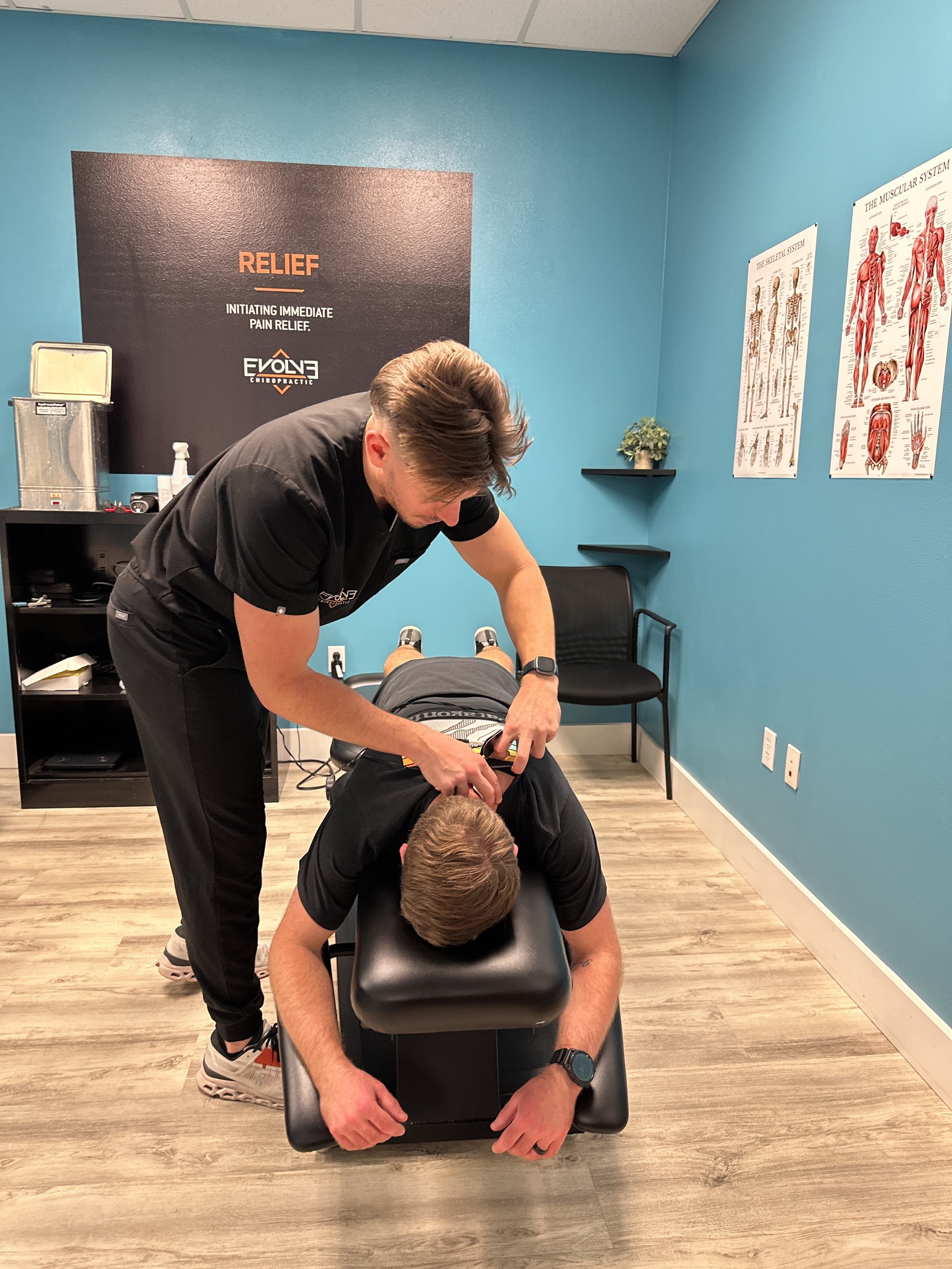
Relief Phase: Decreasing Pain and Inflammation
The first goal is helping you feel better quickly so daily work becomes manageable again.
Treatments in the Relief Phase include
Heat and electrical stimulation
CBD soft tissue therapy
Chiropractic adjustments
This phase reduces pain, inflammation, and protective muscle guarding that keeps posture locked in poor positions.
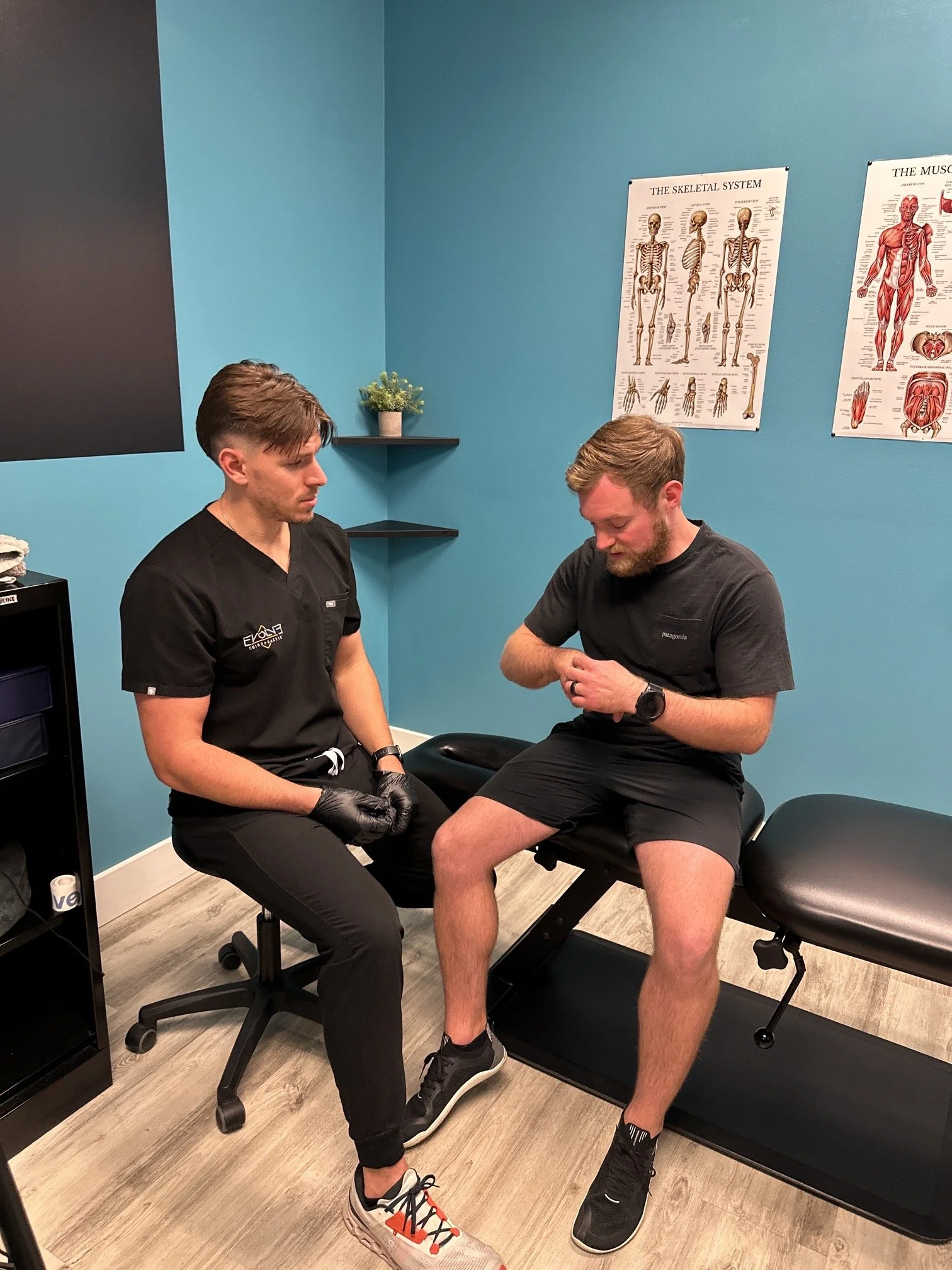
Recovery Phase: Improving Muscle Tone and Function
Once pain decreases, the focus shifts to restoring muscle balance and joint function so posture can improve long term.
Treatments in the Recovery Phase include
Compression therapy
Muscle scraping techniques
This phase improves tissue quality, circulation, and flexibility so the body can hold better posture naturally.
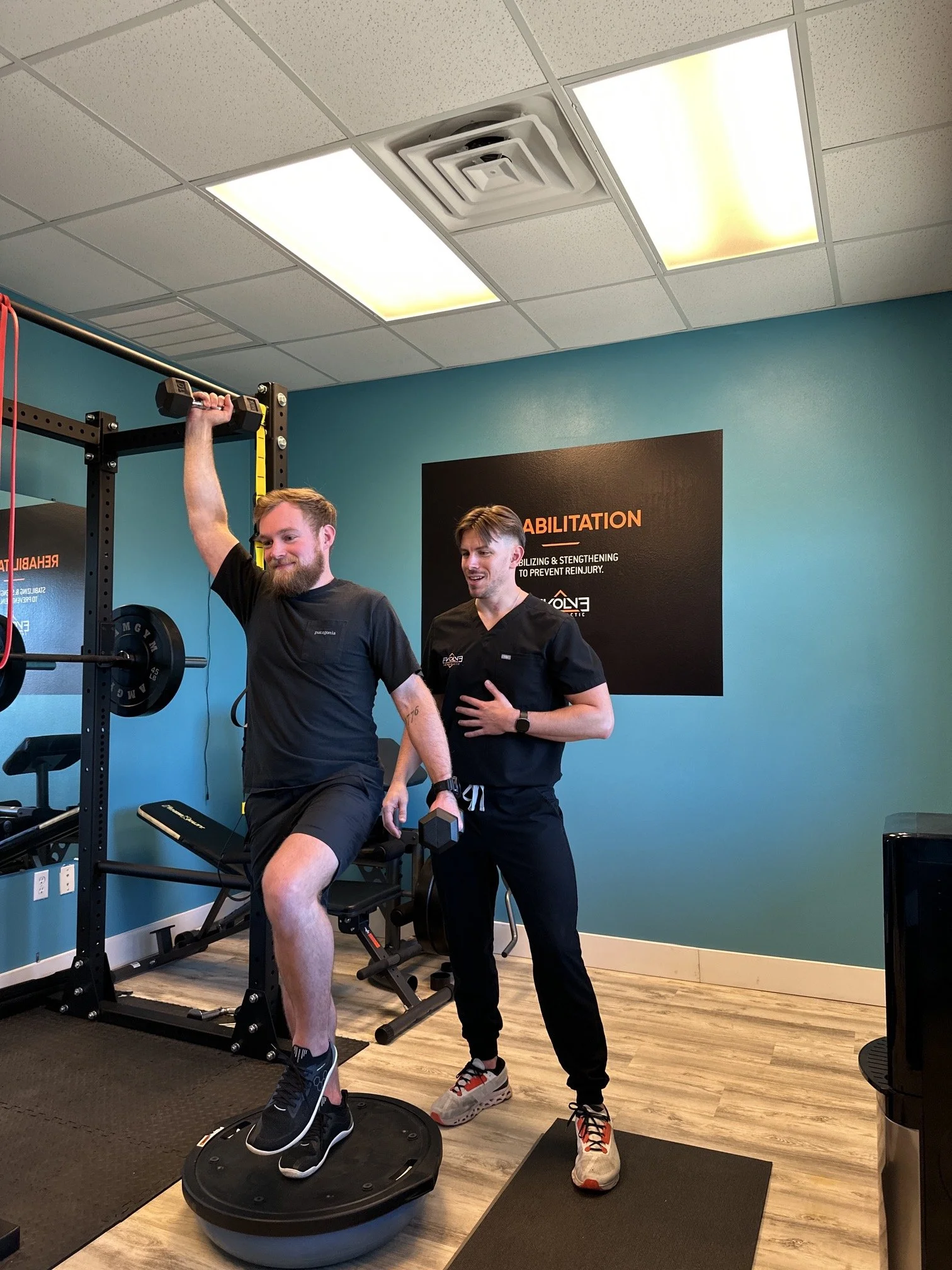
Rehabilitation Phase: Strengthening and Stabilizing for Lasting Change
True posture correction requires retraining how your body supports itself.
Rehabilitation focuses on
Postural strengthening for upper back and deep neck stabilizers
Core and hip stability training
Desk-specific corrective exercises
Mobility drills to counteract sitting patterns
Progressive movement strategies to support work and workouts
This is where transformation happens. Patients not only feel better but also move, sit, and work differently than before.
Evolve Chiropractic: From Pain to Postural Transformation
At Evolve Chiropractic, posture correction is about more than symptom relief. Our mission is to help desk workers reclaim confidence in their bodies and achieve goals they thought were no longer possible.

What Transformation Looks Like
Fewer headaches and neck flare-ups
Comfortable workdays without constant tension
Improved focus and energy
Better posture without forcing it
Stronger workouts outside the office
Confidence sitting, standing, and moving pain-free
How We Get Patients There
Comprehensive posture and movement assessments
Clear explanations of what is happening and why
A structured three-phase care plan
Integrated hands-on care and corrective exercise
Education that empowers patients beyond the clinic
Patients are guided step by step, from pain and frustration to strength, confidence, and control over their health.
Patient Transformation Example
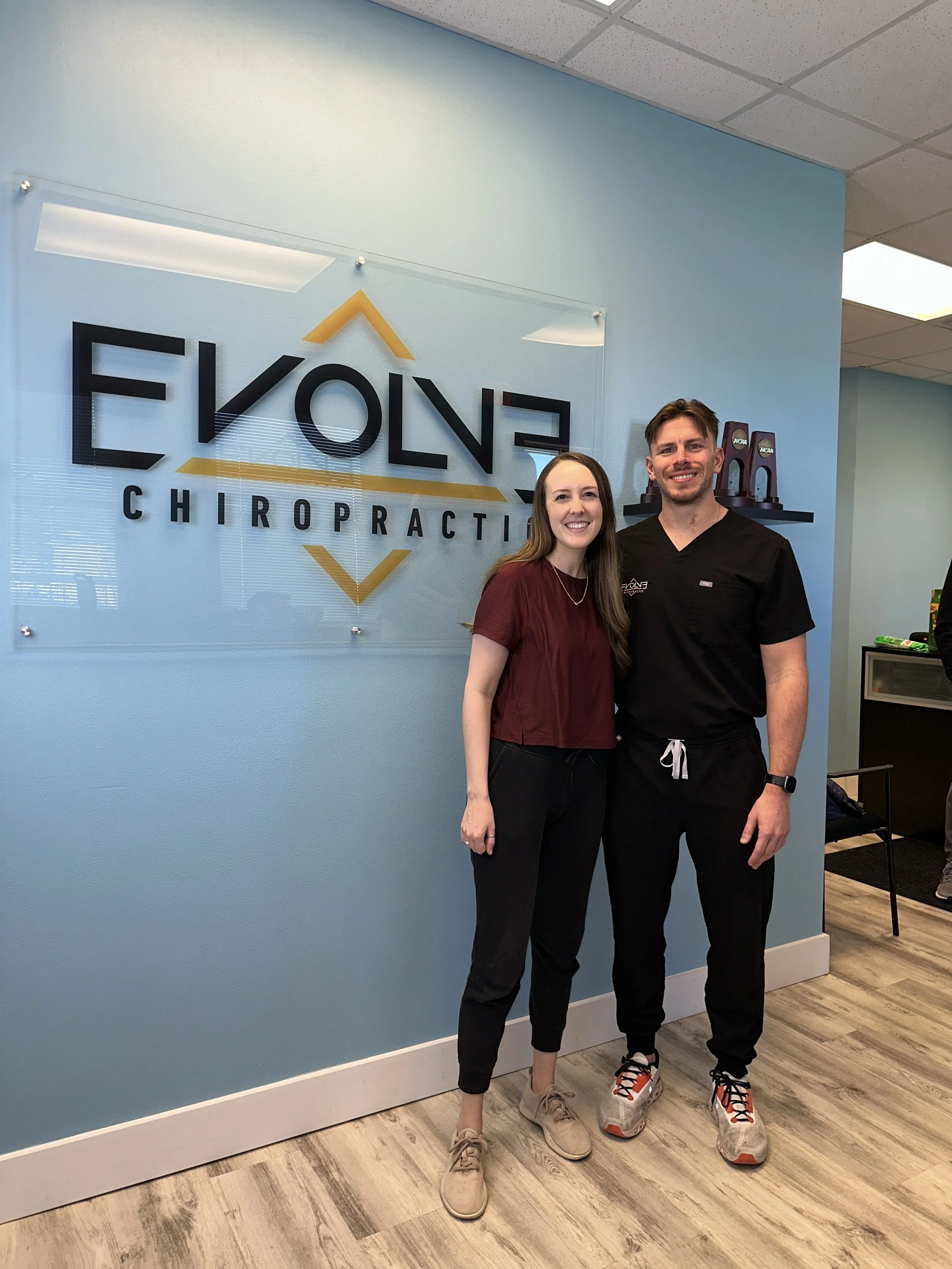
A local professional from Dripping Springs came in with daily headaches, neck stiffness, and shoulder tension from long hours at a computer. Sitting for more than thirty minutes caused discomfort, and workouts had become inconsistent.
Through targeted chiropractic adjustments, soft tissue therapy, posture-focused rehab exercises, and ergonomic guidance, their symptoms steadily decreased. Within weeks, headaches became infrequent. Within months, posture improved visibly, workdays felt easier, and workouts felt strong again.
This transformation is not uncommon when care addresses posture at the root level instead of chasing symptoms.
FAQs About Posture and Desk Ergonomics in Dripping Springs, TX
1. Can a chiropractor fix bad posture?
Chiropractic care improves posture by restoring joint alignment, reducing muscle tension, and strengthening the muscles responsible for holding good posture. Long-term change requires both treatment and rehabilitation.
2. How should my desk be set up for proper posture?
Your screen should be at eye level, feet flat on the floor, hips slightly higher than knees, and elbows relaxed at your sides. Even good ergonomics still require movement throughout the day.
3. How often should desk workers see a chiropractor?
Frequency depends on pain levels and posture severity. Many desk workers benefit from care one to two times per week initially, then transition to maintenance or performance care.
4. Can poor posture cause headaches?
Yes. Forward head posture and upper neck tension are major contributors to tension headaches and migraines.
5. Does chiropractic help with tech neck?
Absolutely. Chiropractic care addresses spinal joint restrictions, muscle imbalances, and nerve irritation associated with prolonged screen use.
6. Is posture correction painful?
No. Treatment is gentle, progressive, and designed to meet you where you are physically.
7. Can posture really improve as an adult?
Yes. With proper treatment and retraining, posture can improve at any age.
8. Should I stretch or strengthen for posture?
Both. Stretching reduces tight muscles, while strengthening teaches your body to maintain better posture throughout the day.
Conclusion
Desk work does not have to mean chronic pain, poor posture, or constant stiffness. With the right care, posture can improve, discomfort can fade, and workdays can feel lighter and more productive.
If you are ready to move from daily tension to lasting transformation, Evolve Chiropractic is here to guide you every step of the way.
Schedule your visit today and take the first step toward better posture and better health.
Written by Dr. Jackson Humphrey, DC, CCSP
Evolve Chiropractic, Dripping Springs, TX